
Buy Meth Crystal Online
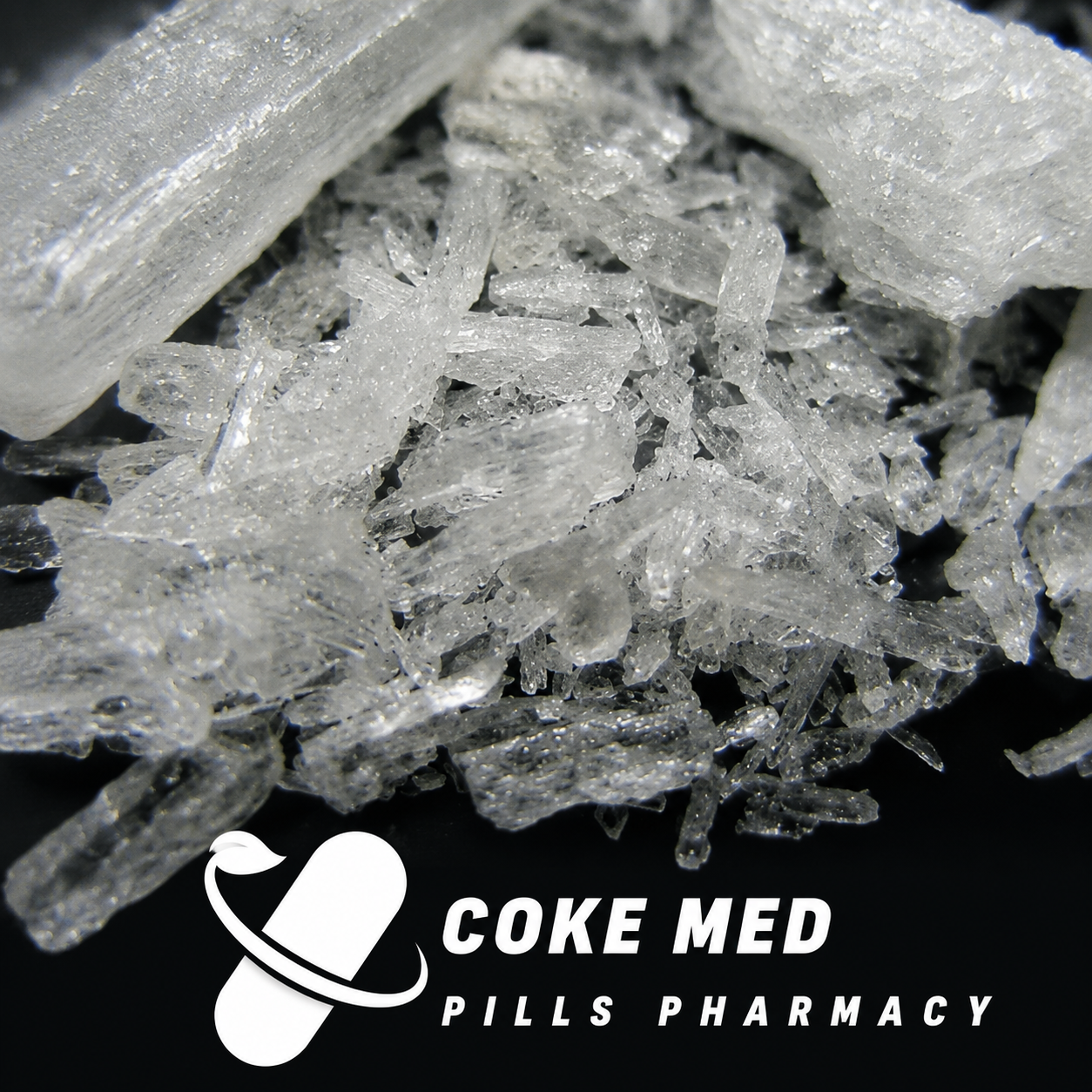
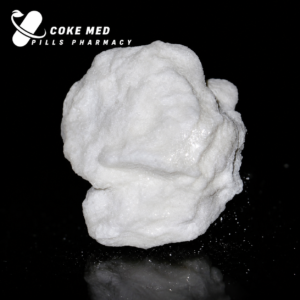
Buy Meth Crystal Online. Commonly called crystal meth, meth, or ice, is a powerful synthetic stimulant that affects the central nervous system. It increases activity involving neurotransmitters such as dopamine and can produce intense stimulation, increased wakefulness, and euphoria. However, methamphetamine also carries substantial risks to physical and mental health.
This article provides educational information about crystal methamphetamine, its effects, health risks, dependence, overdose warning signs, and available treatment approaches.
How Crystal Methamphetamine Affects the Brain
Methamphetamine strongly affects the brain’s dopamine system. Dopamine plays important roles in motivation, reward, pleasure, movement, and learning.
Methamphetamine can produce a rapid increase in dopamine activity, which contributes to its stimulating and reinforcing effects. Repeated exposure can alter brain function and contribute to compulsive drug use and addiction.
Short-Term Effects
People who use methamphetamine may experience several short-term effects, including:
- Increased wakefulness
- Increased physical activity
- Reduced appetite
- Increased attention
- Euphoria
- Rapid heartbeat
- Increased breathing rate
- Increased blood pressure
- Increased body temperature
The effects can vary significantly between individuals. The amount and purity of an illicit substance can also remain uncertain, creating additional dangers.
Physical Health Risks
Crystal methamphetamine can place considerable stress on the cardiovascular system. It can increase heart rate and blood pressure and may contribute to irregular heart rhythms.
High exposure can cause dangerous overheating and seizures. Severe methamphetamine toxicity can become life-threatening and requires immediate medical attention.
Long-term use can also contribute to significant weight loss, dental problems, sleep disruption, and other physical health complications.
Mental Health Effects
Methamphetamine can affect mood, thinking, and perception. Repeated use may contribute to:
- Anxiety
- Confusion
- Irritability
- Insomnia
- Paranoia
- Hallucinations
- Delusions
- Mood disturbances
Methamphetamine-related psychosis can sometimes continue after a person stops using the drug, and stress may contribute to the recurrence of symptoms.
Anyone experiencing severe paranoia, hallucinations, confusion, or aggressive behaviour should receive professional medical evaluation.
Methamphetamine Dependence
Methamphetamine can produce tolerance and dependence. With repeated use, some people need increasing amounts or more frequent use to achieve the effects they previously experienced.
Addiction can involve compulsive drug seeking despite harmful consequences. It represents a treatable health condition rather than a personal failure.
Professional treatment can help people understand triggers, manage cravings, develop coping strategies, and build healthier routines.
Methamphetamine Withdrawal
People who stop regular methamphetamine use can experience withdrawal symptoms. Common symptoms can include:
- Fatigue
- Depression
- Anxiety
- Increased appetite
- Sleep changes
- Strong cravings
- Reduced motivation
Withdrawal experiences vary from person to person. Professional support can help people manage symptoms and reduce the risk of returning to problematic use.
Signs of Methamphetamine Overdose
Methamphetamine toxicity can produce serious medical complications. Warning signs may include:
- Extremely rapid heartbeat
- Severe agitation
- Dangerous blood pressure changes
- Very high body temperature
- Severe confusion
- Seizures
- Loss of consciousness
- Psychosis
- Cardiovascular collapse
Severe overheating and seizures can become fatal without immediate treatment.
Anyone who develops severe symptoms after taking methamphetamine needs emergency medical care immediately.
Treatment for Methamphetamine Use Disorder
Treatment can help people reduce or stop methamphetamine use. Healthcare professionals may combine behavioural therapies, counselling, recovery support, and treatment for co-occurring mental or physical health conditions.
Research continues to investigate medications that could help people with methamphetamine use disorder. At present, NIDA identifies contingency management as the most effective evidence-based treatment available for stimulant use disorders, including methamphetamine use disorder.
Researchers have also studied combinations such as injectable naltrexone with oral bupropion. Clinical research has shown promising results, although treatment decisions should come from qualified healthcare professionals.
Behavioral Treatment
Behavioural treatment can help people identify situations that trigger drug use and develop healthier responses.
Treatment may include:
- Contingency management
- Counseling
- Cognitive and behavioral approaches
- Recovery support
- Relapse-prevention planning
- Treatment for co-occurring mental health conditions
A comprehensive treatment plan can address substance use alongside physical, psychological, social, and practical needs.
Why Professional Support Matters
People sometimes hesitate to seek treatment because they fear judgment or stigma. Healthcare professionals can provide confidential support and help individuals choose an appropriate treatment pathway.
A person does not need to wait until substance use causes a major crisis before seeking help. Early intervention can provide an opportunity to address problematic use before additional complications develop.
Frequently Asked Questions
What is crystal meth?
Crystal meth is a crystalline form of methamphetamine, a powerful synthetic stimulant that affects the central nervous system.
Can crystal meth cause addiction?
Yes. Repeated methamphetamine use can lead to tolerance, dependence, and addiction.
What are the long-term effects?
Long-term problems can include addiction, psychosis, memory and thinking difficulties, mood disturbances, weight loss, severe dental problems, and changes in brain function.
Can methamphetamine cause an overdose?
Yes. Severe toxicity can cause hyperthermia, seizures, cardiovascular complications, and potentially death.
Is treatment available?
Yes. Behavioural treatments can help people with methamphetamine use disorder, and researchers continue to evaluate additional treatment options.
Conclusion
Crystal methamphetamine produces powerful stimulant effects, but it also creates serious risks for the brain, cardiovascular system, mental health, and overall well-being. Repeated use can lead to dependence and addiction, while severe toxicity can cause overheating, seizures, cardiovascular emergencies, and death.
People struggling with methamphetamine use can seek professional treatment and recovery support. Evidence-based behavioural approaches can help reduce problematic use, while ongoing research continues to explore additional treatment options.
Contact Us
Be the first to review “Buy Meth Crystal Online”
Related products
Pills-Meds

Pills-Meds
Pills-Meds
Pills-Meds

Pills-Meds
Pills-Meds

Pills-Meds
Pills-Meds
Reviews
There are no reviews yet.