

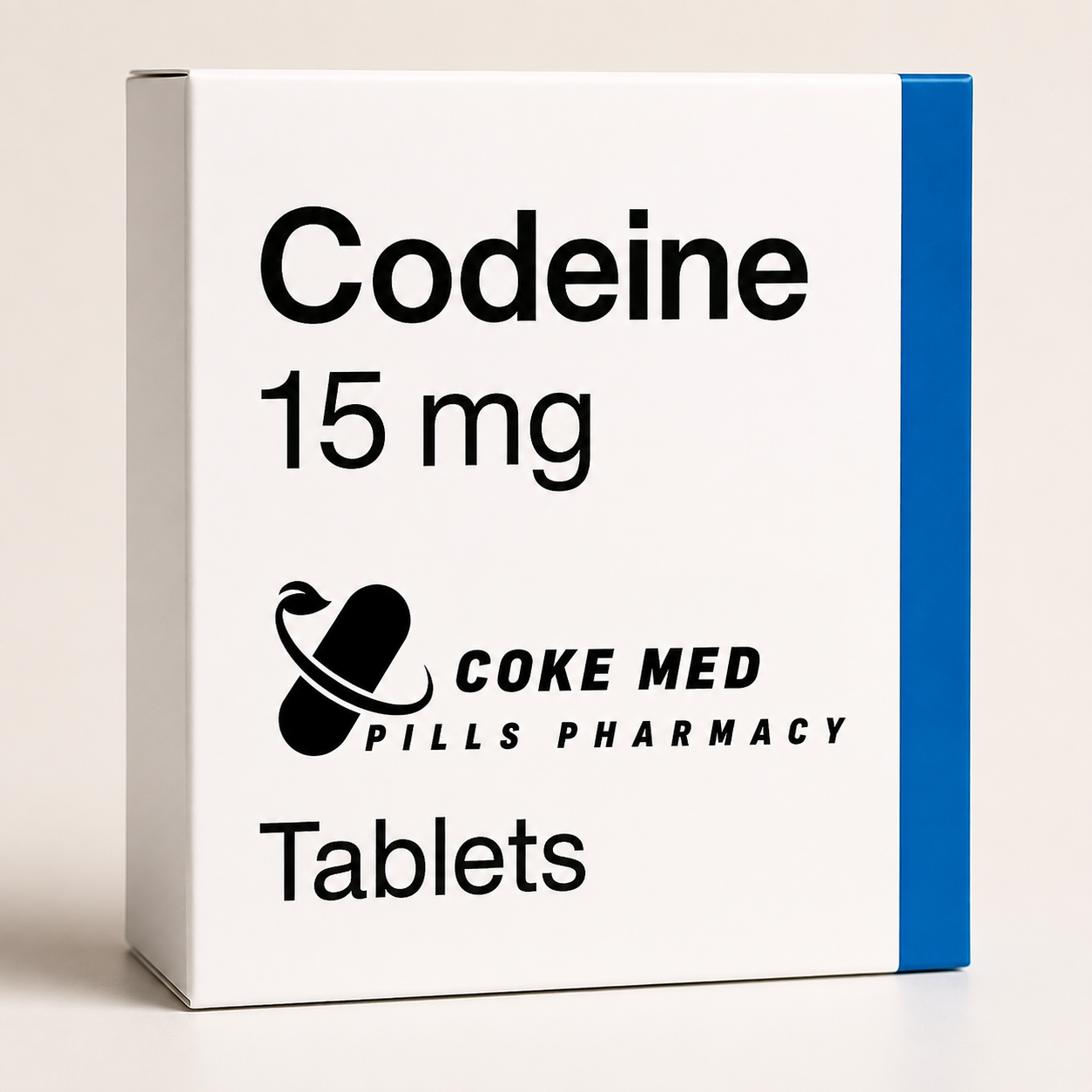


Buy Codeine 15mg Tab Online
Buy Codeine 15mg Tab Online is a prescription opioid medication that healthcare professionals may use to manage certain types of pain and, in some formulations, cough. The appropriate medical use depends on the patient’s condition, age, other medications, and local prescribing regulations.
Codeine requires careful medical supervision because it can cause drowsiness, constipation, respiratory depression, physical dependence, and misuse. Patients should use codeine only according to instructions from a qualified healthcare professional.
What Is Codeine?
Codeine belongs to the opioid family of medicines. The body converts some codeine into morphine through an enzyme called CYP2D6. The amount of morphine produced varies between individuals, which can affect both pain relief and the risk of side effects.
Healthcare professionals consider these differences when deciding whether codeine represents an appropriate treatment option.
How Codeine Works
Codeine acts on opioid receptors in the central nervous system. This action changes the way the brain processes pain signals and can reduce the perception of pain. It can also suppress the cough reflex in appropriate formulations.
Because individual metabolism varies, patients can experience different effects from the same dose.
Medical Uses
Healthcare professionals may prescribe codeine for selected patients with:
- Certain mild to moderate pain conditions
- Specific cough conditions where an opioid antitussive has an appropriate clinical role
Doctors determine treatment based on the patient’s symptoms and overall health.
Potential Benefits
When a healthcare professional considers codeine appropriate, it may:
- Reduce certain types of pain
- Improve comfort during short-term treatment
- Suppress coughing in selected clinical situations
Doctors weigh potential benefits against opioid-related risks before recommending treatment.
Proper Use
Patients should:
- Take codeine exactly as prescribed.
- Follow the recommended dose and schedule.
- Never take more than the prescribed amount.
- Avoid sharing prescription medication.
- Store medication securely.
- Attend follow-up appointments when requested.
Patients should never change their dose without speaking with their healthcare provider.
Possible Side Effects
Codeine can cause several side effects. Common effects include:
- Drowsiness
- Dizziness
- Nausea
- Vomiting
- Constipation
- Dry mouth
- Stomach discomfort
Serious reactions require urgent medical attention. Warning signs can include slow or difficult breathing, extreme sleepiness, confusion, loss of consciousness, or severe allergic reactions.
Important Safety Information
Patients should tell their healthcare provider about all prescription medicines, over-the-counter products, supplements, and recreational substances they use.
Particular caution applies when codeine combines with other substances that slow the central nervous system. These combinations can increase sedation and the risk of dangerous breathing problems.
Patients should also avoid driving or operating machinery if codeine causes drowsiness or impaired coordination.
Codeine and Drug Interactions
Codeine can interact with:
- Benzodiazepines
- Other opioid medicines
- Sleeping medications
- Certain antihistamines
- Muscle relaxants
- Alcohol
- Other central nervous system depressants
Some combinations can cause severe sedation or respiratory depression. A healthcare professional should review a patient’s medication list before treatment.
Dependence and Withdrawal
Repeated opioid use can lead to physical dependence. Patients who take codeine regularly should not stop treatment abruptly without medical guidance.
Withdrawal symptoms may include:
- Restlessness
- Anxiety
- Sweating
- Muscle aches
- Insomnia
- Nausea
- Abdominal discomfort
A healthcare professional can recommend an appropriate treatment plan when a patient needs to discontinue regular opioid therapy.
Why Individual Response Matters
People process codeine differently because genetic differences affect CYP2D6 enzyme activity. Some people convert codeine into morphine more rapidly, which may increase opioid effects and adverse reactions. Others may receive little pain relief because their bodies convert less codeine into morphine.
This variability makes professional assessment particularly important.
Frequently Asked Questions
Is codeine an opioid?
Yes. Codeine belongs to the opioid family and can produce opioid-related effects, including pain relief, sedation, and physical dependence.
Can codeine cause drowsiness?
Yes. Drowsiness and dizziness can occur, particularly when treatment begins or when the dose changes.
Can codeine interact with alcohol?
Yes. Combining codeine with alcohol can increase sedation and respiratory risks. Patients should follow their healthcare professional’s safety instructions.
Can someone become dependent on codeine?
Yes. Repeated use can result in physical dependence and, in some people, opioid use disorder.
Should patients stop codeine suddenly?
Patients who use codeine regularly should consult their healthcare provider before stopping treatment. A clinician can determine whether gradual reduction provides a safer approach.
Safe Pain Management
Healthcare professionals often use a combination of approaches to manage pain. Depending on the underlying condition, treatment may include physical therapy, exercise, behavioural strategies, non-opioid medicines, rehabilitation, and other appropriate interventions.
Patients should discuss persistent or worsening pain with a qualified healthcare professional rather than increasing opioid doses independently.
Conclusion
Codeine 15 mg belongs to the opioid class and can provide medical benefits for selected patients when healthcare professionals prescribe and monitor its use. However, codeine also carries important risks, including drowsiness, respiratory depression, dependence, misuse, and potentially dangerous drug interactions.
Patients should use codeine only under appropriate medical guidance, follow prescribed instructions carefully, avoid risky combinations with alcohol or sedatives, and seek urgent medical attention for serious symptoms such as breathing difficulties or loss of consciousness. Professional evaluation remains the safest way to determine whether codeine represents an appropriate treatment option.
Contact Us
| Quantity | 1 Glass, 5 Glass |
|---|
4 reviews for Buy Codeine 15mg Tab Online
Add a review
Related products
Pills-Meds

Pills-Meds

Pills-Meds
Pills-Meds

Pills-Meds

Pills-Meds

Pills-Meds

Pills-Meds
Cayago –
Excellent website—easy to use, well-designed, and very convenient. Great experience overall!
Monip –
Smooth checkout and fast service.
Milol –
International ordering was surprisingly easy. I’m very happy with the service
Diram –
Simple website, easy checkout, and fantastic customer support. Five stars