

Buy Amfetamin Powder Online
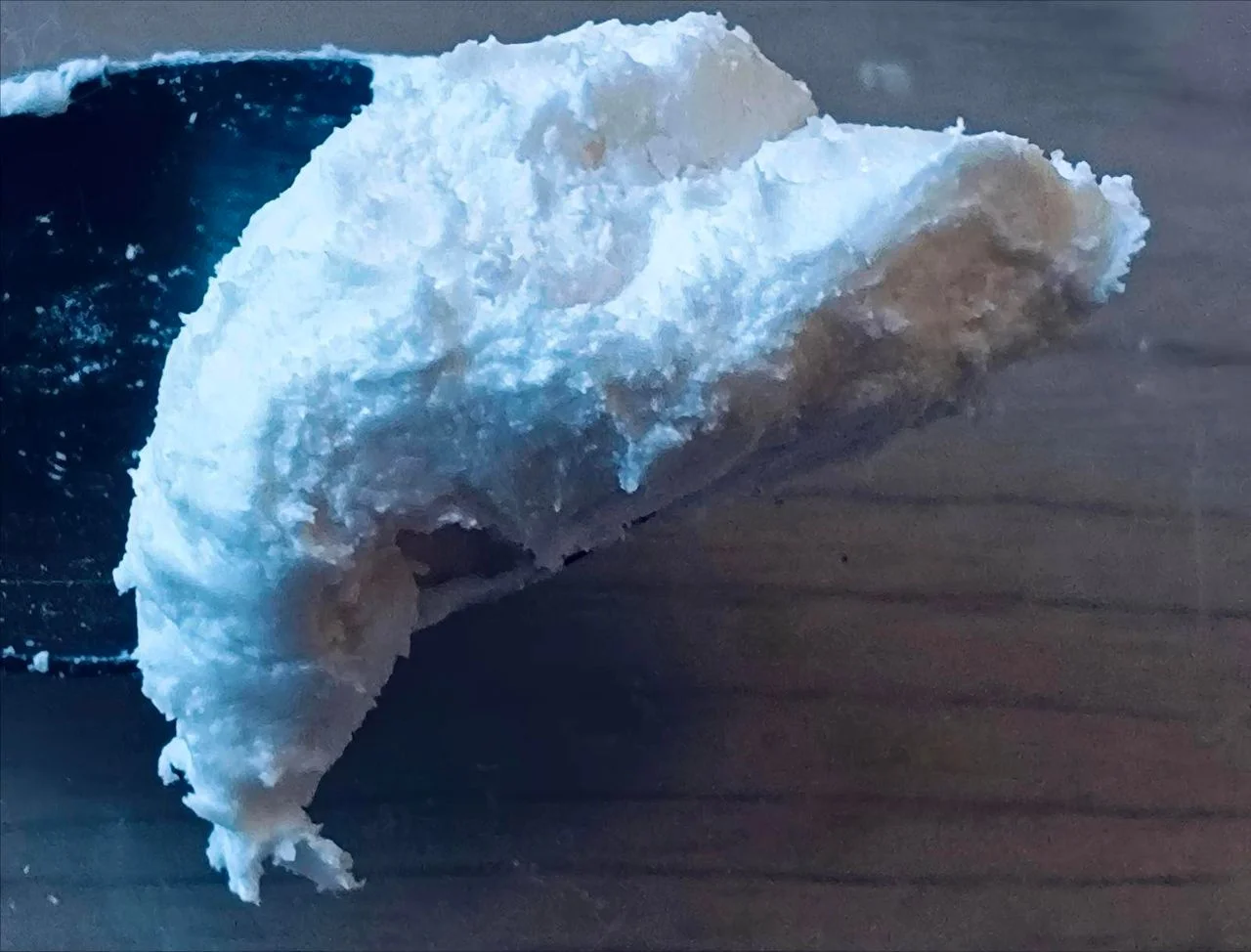
Buy Amfetamin Powder Online, also spelt amphetamine, belongs to the central nervous system stimulant class. Healthcare professionals prescribe certain amfetamine-based medicines for conditions such as attention-deficit/hyperactivity disorder (ADHD) and narcolepsy. These medicines affect neurotransmitters in the brain and can improve attention, concentration, and wakefulness in appropriate patients.
Because amfetamine can cause misuse, dependence, and serious adverse effects, patients should use prescription formulations only under qualified medical supervision.
How Amfetamine Works
Amfetamine increases activity involving neurotransmitters such as dopamine and norepinephrine. These chemical messengers influence attention, motivation, alertness, and executive function.
For people with ADHD, appropriate stimulant treatment may help improve concentration and reduce impulsive or hyperactive behaviour. For people with narcolepsy, treatment can promote wakefulness and reduce excessive daytime sleepiness.
Healthcare professionals determine the appropriate treatment based on the patient’s diagnosis, medical history, and response.
Medical Uses of Amfetamine
Doctors may prescribe approved amfetamine-based medicines for:
- Attention-deficit/hyperactivity disorder
- Narcolepsy
- Other specific conditions when an approved stimulant provides an appropriate medical option
Treatment varies according to the patient’s age, symptoms, other medications, and overall health.
Potential Benefits
When a healthcare professional prescribes and monitors treatment appropriately, amfetamine-based medication may help:
- Improve concentration
- Reduce impulsive behaviour
- Reduce hyperactivity associated with ADHD
- Improve wakefulness
- Support daily functioning
- Improve performance at school or work for eligible patients
Medication usually forms part of a broader treatment strategy rather than serving as the only intervention.
Prescription Safety
Patients who receive prescription amfetamine should follow their healthcare professional’s instructions carefully. They should take the medication exactly as prescribed and avoid changing the dose without medical guidance.
Patients should also:
- Keep medication in a secure location.
- Never share prescription medication.
- Attend scheduled medical reviews.
- Report concerning side effects.
- Tell healthcare professionals about all other medications and supplements.
People should avoid using unknown or unregulated stimulant powders because the contents, concentration, and contaminants may vary.
Common Side Effects
Amfetamine can cause side effects, particularly when treatment begins or when healthcare professionals change the dose.
Common effects may include:
- Reduced appetite
- Dry mouth
- Headache
- Difficulty sleeping
- Nervousness
- Stomach discomfort
- Increased heart rate
- Increased blood pressure
- Weight loss
Patients should discuss persistent or troublesome symptoms with their healthcare provider.
Serious Health Risks
Amfetamine can produce serious complications, particularly when someone takes an excessive amount or combines it with other substances.
Potential warning signs include:
- Chest pain
- Severe or persistent headache
- Fainting
- Abnormal heartbeat
- Severe agitation
- Confusion
- Hallucinations
- Seizures
- Dangerous overheating
Anyone experiencing severe symptoms after taking a stimulant should seek urgent medical attention.
Amfetamine and Dependence
Amfetamine has recognized misuse and dependence potential. Repeated non-medical use can lead to problematic patterns of use and significant health consequences.
Risk increases when someone takes higher amounts, uses the substance more frequently than prescribed, or combines it with other stimulants or psychoactive substances.
Healthcare professionals monitor prescription stimulant treatment to balance potential therapeutic benefits against these risks.
Drug Interactions
Amfetamine can interact with various medicines and substances. Important examples include:
- Monoamine oxidase inhibitors (MAOIs)
- Certain antidepressants
- Other stimulant medications
- Some blood-pressure medicines
- Certain medicines that affect serotonin
- Other substances that increase cardiovascular stimulation
Patients should provide their healthcare provider with a complete list of medications, supplements, and other substances they use.
Cardiovascular Considerations
Stimulant medicines can increase blood pressure and heart rate. Patients with certain cardiovascular conditions may require additional evaluation before treatment.
Healthcare professionals may monitor blood pressure and pulse during treatment. Patients should report chest pain, fainting, severe shortness of breath, or unusual heart palpitations promptly.
Effects on Sleep and Appetite
Because amfetamine stimulates the central nervous system, it can interfere with sleep and reduce appetite. Taking medication at the wrong time can increase sleep difficulties.
Healthcare professionals consider sleep patterns, nutrition, growth, and weight when monitoring long-term stimulant treatment, particularly in children and adolescents.
Amfetamine and Mental Health
Stimulant medicines can affect mood and behaviour. Some patients may experience anxiety, irritability, restlessness, or mood changes.
Rarely, stimulant treatment can contribute to severe psychiatric symptoms such as hallucinations or paranoia. Patients should contact their healthcare provider if they notice major changes in thoughts, mood, or behaviour.
Frequently Asked Questions
Is amfetamine a stimulant?
Yes. Amfetamine belongs to the central nervous system stimulant class.
What conditions can prescription amfetamine treat?
Healthcare professionals may prescribe approved amfetamine-based medicines for ADHD and narcolepsy.
Can amfetamine cause dependence?
Yes. Amfetamine has misuse and dependence potential, especially when people use it outside medical supervision.
Can amfetamine affect sleep?
Yes. Its stimulant effects can cause insomnia or difficulty falling asleep.
Can amfetamine interact with other medications?
Yes. Amfetamine can interact with several medicines, including MAOIs, certain antidepressants, and other stimulants. Patients should discuss every medication with their healthcare provider.
Supporting ADHD Management
Medication represents only one part of comprehensive ADHD care. Behavioural strategies, structured routines, organisational tools, counselling, educational support, regular exercise, adequate sleep, and family involvement can complement medical treatment.
A healthcare professional can develop an individualised treatment plan based on the patient’s symptoms and circumstances.
Conclusion
Amfetamine is a potent central nervous system stimulant with established medical applications in conditions such as ADHD and narcolepsy. Appropriate prescription treatment can improve attention, concentration, and wakefulness for eligible patients.
However, amfetamine also carries important risks, including increased heart rate, elevated blood pressure, sleep problems, appetite changes, misuse, dependence, and psychiatric complications. Patients should use prescription stimulant medicines only under qualified medical supervision, follow their prescribed instructions, and seek professional medical advice whenever they experience concerning symptoms.
Contact Us
| Quantity | 1kg, 3kg, 5kg |
|---|
Be the first to review “Buy Amfetamin Powder Online”
Related products
Pills-Meds
Pills-Meds

Pills-Meds
Pills-Meds
Pills-Meds

Pills-Meds
Pills-Meds
Pills-Meds
Reviews
There are no reviews yet.