

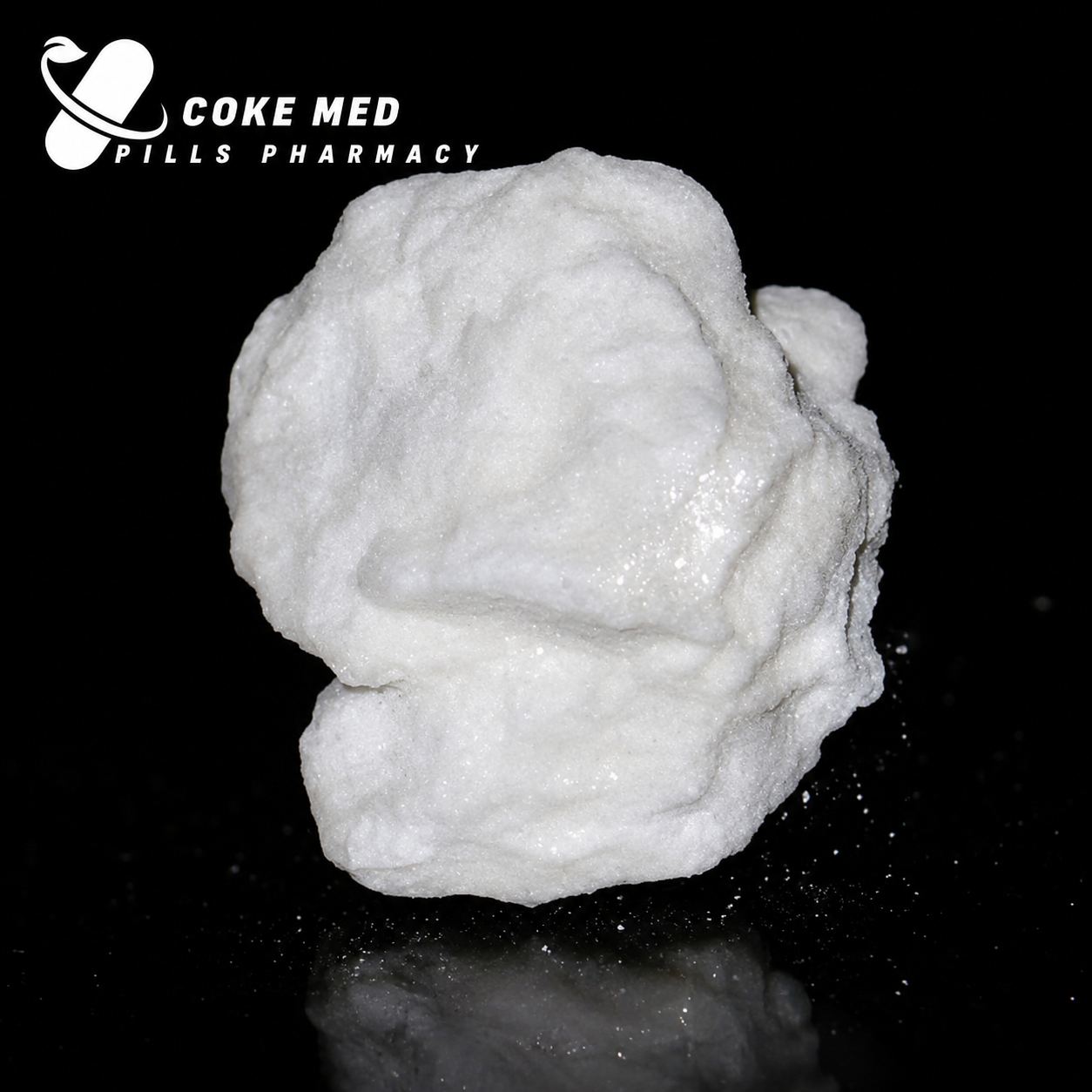

Buy Ketamine Rock Online
Buy Ketamine Rock Online is a dissociative anaesthetic that healthcare professionals have used for decades in hospitals, emergency departments, and surgical settings. Researchers also continue to study ketamine and related medications for several mental health conditions under carefully controlled medical supervision. Although ketamine has important medical applications, it also carries significant risks when used outside professional healthcare settings.
This guide explains what ketamine is, how it works, its approved medical uses, potential effects, health risks, and current scientific research.
What Is Ketamine?
Ketamine is a prescription medication that belongs to the dissociative anaesthetic class. Doctors and anesthesiologists commonly administer it during surgical procedures, emergency care, and pain management. Medical professionals value ketamine because it can provide anesthesia, pain relief, and sedation while preserving important protective airway reflexes in many patients.
Healthcare providers determine the correct dose based on the patient’s medical condition, age, weight, and treatment goals.
How Ketamine Works
Ketamine primarily blocks N-methyl-D-aspartate (NMDA) receptors in the brain. This action changes the way the nervous system processes pain signals and sensory information. Scientists continue to investigate additional mechanisms that may contribute to its therapeutic effects.
Approved Medical Uses
Healthcare professionals may use ketamine for:
- General anesthesia
- Emergency anesthesia
- Procedural sedation
- Pain management in selected patients
- Treatment-resistant depression in specialised clinical settings using approved ketamine-based therapies where available
Treatment decisions depend on each patient’s medical needs and current clinical guidelines.
Potential Medical Benefits
When administered appropriately, ketamine may help:
- Provide effective anaesthesia during surgery
- Relieve pain in selected clinical situations
- Support emergency medical procedures
- Improve symptoms in carefully selected patients with treatment-resistant depression under specialist supervision
Healthcare professionals monitor patients closely throughout treatment.
Possible Side Effects
Like all medications, ketamine may cause side effects.
Common side effects include:
- Dizziness
- Drowsiness
- Blurred vision
- Nausea
- Vomiting
- Increased blood pressure
- Increased heart rate
- Temporary confusion during recovery
Most side effects improve as the medication wears off, but patients should report any concerning symptoms to their healthcare provider.
Potential Risks
Ketamine can present serious health risks when used without medical supervision or when obtained from unregulated sources.
Potential risks include:
- Impaired judgment
- Accidental injury
- Psychological distress
- Hallucinations
- Respiratory complications when combined with other sedatives
- Dependence with repeated misuse
Prompt medical evaluation is important if severe symptoms occur.
Drug Interactions
Ketamine may interact with:
- Alcohol
- Opioid medications
- Benzodiazepines
- Sleeping medications
- Other central nervous system depressants
Healthcare providers carefully review all medications before administering ketamine.
Current Research
Scientists continue to investigate ketamine and related compounds for several conditions, including treatment-resistant depression, chronic pain syndromes, and post-traumatic stress disorder. Clinical research takes place under strict ethical standards, medical supervision, and structured patient monitoring.
Frequently Asked Questions
What does ketamine treat?
Healthcare professionals primarily use ketamine for anaesthesia, procedural sedation, pain management, and selected psychiatric conditions in specialised clinical settings.
Is ketamine an opioid?
No. Ketamine is a dissociative anaesthetic and does not belong to the opioid class.
Can ketamine affect thinking and perception?
Yes. Ketamine may temporarily alter perception, awareness, and thinking, which is why healthcare professionals administer it in controlled settings.
Why are unregulated ketamine products dangerous?
Products from unregulated sources may contain unknown ingredients, inaccurate concentrations, or contaminants that increase the risk of serious harm.
Lifestyle Considerations
Patients receiving ketamine treatment should follow all instructions from their healthcare team before and after treatment. Adequate rest, arranging transportation when advised, attending follow-up appointments, and discussing any side effects with healthcare professionals all contribute to safe care.
Conclusion
Ketamine is an important prescription medication with well-established roles in anaesthesia and emergency medicine, as well as growing evidence for selected psychiatric applications under specialist supervision. Its benefits depend on careful patient selection, accurate dosing, and professional monitoring. Because ketamine also carries important risks, including adverse psychological effects, drug interactions, and the potential for misuse, patients should receive it only through qualified healthcare providers in appropriate medical settings.
Contact Us
| Quantity | 7, 14, 28, 56, 84, 112 |
|---|
Be the first to review “Buy Ketamine Rock Online”
Related products

Pills-Meds
Pills-Meds
Pills-Meds

Pills-Meds
Pills-Meds

Pills-Meds
Pills-Meds
Pills-Meds
Reviews
There are no reviews yet.