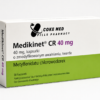
Buy Molly Coke Tab Online
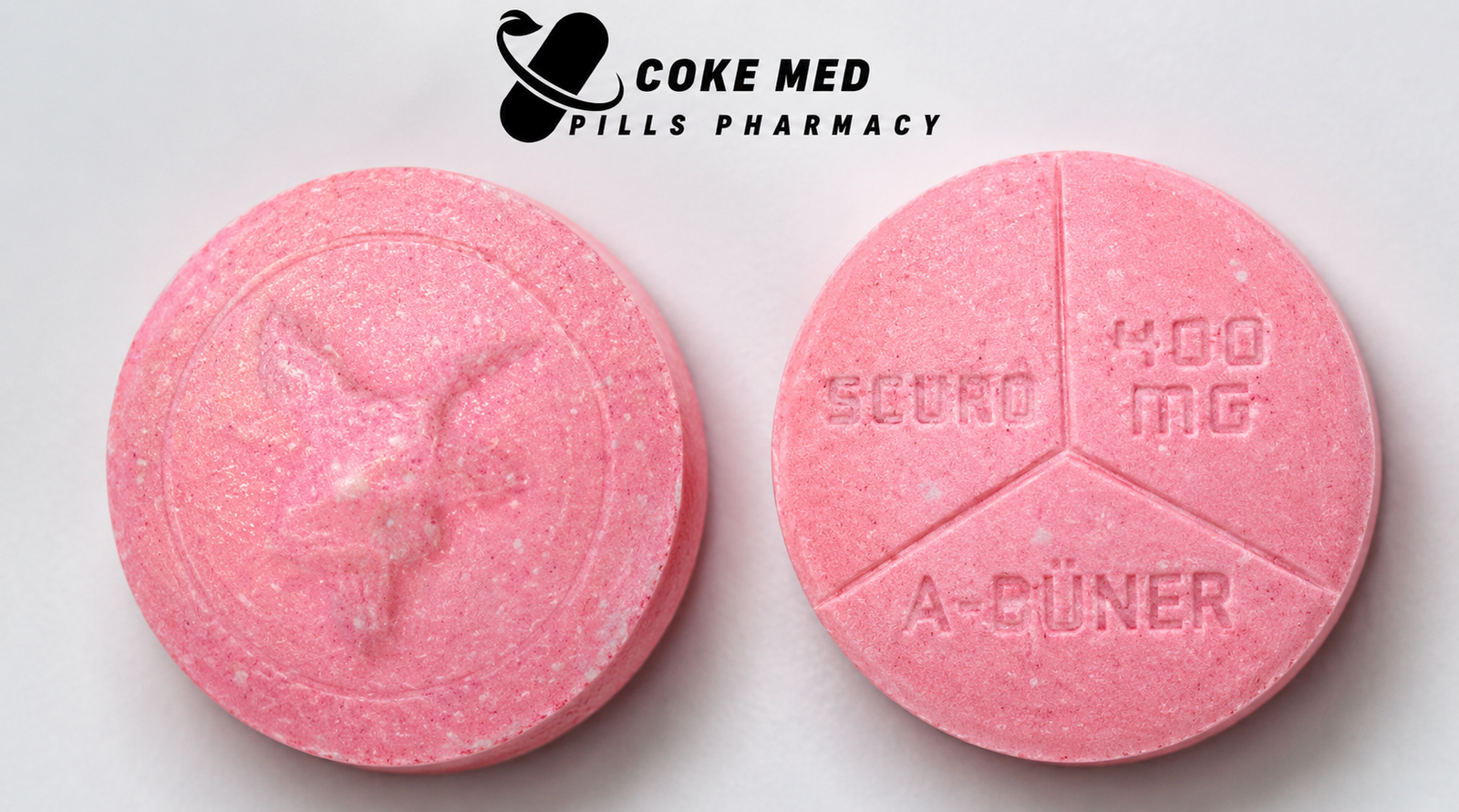
Buy Molly Coke Tab Online (often called “Molly” or “Ecstasy”) and cocaine are psychoactive substances that affect the brain and central nervous system in different ways. Both drugs can produce short-term changes in mood, energy, and perception, but they also carry significant health risks. Researchers continue to study their effects, while healthcare professionals emphasise prevention, education, and evidence-based treatment for substance use disorders.
This guide explains how these substances work, their potential effects, associated health risks, and available treatment options.
What Is MDMA?
MDMA, or 3,4-methylenedioxymethamphetamine, is a synthetic psychoactive substance. It increases the release of serotonin, dopamine, and norepinephrine in the brain. These neurotransmitters influence mood, emotions, and energy levels.
Although researchers are studying MDMA in carefully controlled clinical settings for specific mental health conditions, recreational use carries serious risks.
What Is Cocaine?
Cocaine is a powerful stimulant that increases dopamine levels in the brain. It creates short-lived stimulating effects but also places significant stress on the heart, brain, and nervous system. Cocaine has a high potential for misuse and dependence.
Short-Term Effects
People may experience different effects depending on the substance, dose, and individual health.
Possible effects include:
- Increased energy
- Elevated mood
- Increased alertness
- Reduced appetite
- Increased heart rate
- Higher blood pressure
- Dilated pupils
- Restlessness
These effects vary widely and may become unpredictable, especially when substances contain unexpected ingredients.
Health Risks
Both substances carry important risks.
Possible complications include:
- Anxiety
- Panic attacks
- Dehydration
- Overheating
- Irregular heartbeat
- High blood pressure
- Stroke
- Seizures
- Heart attack
- Loss of consciousness
Combining stimulants or taking products from unregulated sources increases these risks.
Dependence and Addiction
Repeated use of stimulant drugs may lead to substance use disorder. People may experience cravings, difficulty reducing use, withdrawal symptoms, and continued use despite harmful consequences.
Early recognition and treatment can improve recovery outcomes.
Mental Health Effects
These substances may contribute to:
- Depression
- Anxiety
- Panic
- Irritability
- Sleep problems
- Memory difficulties
- Paranoia
- Hallucinations in some cases
People with existing mental health conditions may face increased risks.
Current Medical Research
Scientists continue to investigate MDMA-assisted psychotherapy for carefully selected patients with specific conditions under strict clinical supervision. These studies differ substantially from recreational use because they involve standardised dosing, medical screening, and trained healthcare professionals.
There is no approved medical use for recreational cocaine consumption.
Treatment and Recovery
Healthcare professionals offer several evidence-based approaches for people experiencing stimulant use disorder.
Treatment may include:
- Medical evaluation
- Behavioural therapies
- Counselling
- Peer support
- Mental health care
- Relapse prevention strategies
Recovery plans should match each person’s individual needs.
Frequently Asked Questions
Are MDMA and cocaine the same?
No. They affect the brain through different mechanisms, although both can produce stimulant effects and serious health risks.
Can these substances cause addiction?
Yes. Repeated use may lead to substance use disorder, especially with cocaine.
Why are unregulated products dangerous?
Products sold outside regulated healthcare systems may contain unexpected ingredients, contaminants, or inaccurate doses, increasing the risk of poisoning and overdose.
When should someone seek emergency medical care?
Immediate medical attention is important if someone develops chest pain, difficulty breathing, seizures, severe agitation, extreme confusion, loss of consciousness, or signs of overheating after using a stimulant.
Conclusion
MDMA and cocaine affect the brain and body in different ways, but both carry significant health risks, including cardiovascular complications, mental health effects, dependence, and overdose. Understanding these risks, recognising warning signs, and seeking prompt medical care when necessary can improve safety. Anyone concerned about their own substance use or that of someone else should consult a qualified healthcare professional or an addiction treatment service for confidential, evidence-based support.
Contact Us
| Quantity | 1, 23 |
|---|
1 review for Buy Molly Coke Tab Online
Add a review
Related products
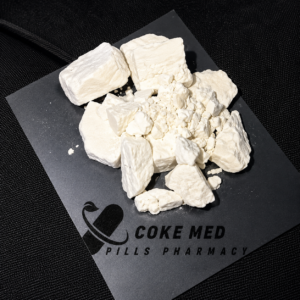
Pills-Meds
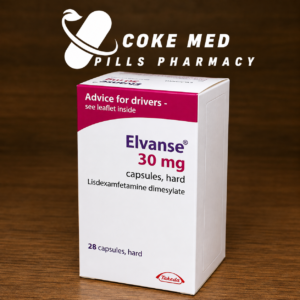
Pills-Meds
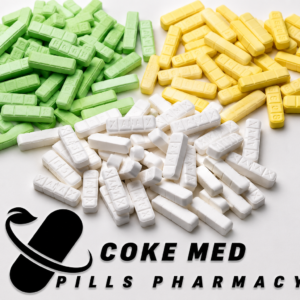
Pills-Meds
Pills-Meds
Pills-Meds
Pills-Meds
Pills-Meds
Pills-Meds
Megamad –
The website was easy to navigate, and the ordering process was straightforward. Overall, I had a smooth experience with the site and found the checkout process convenient.