

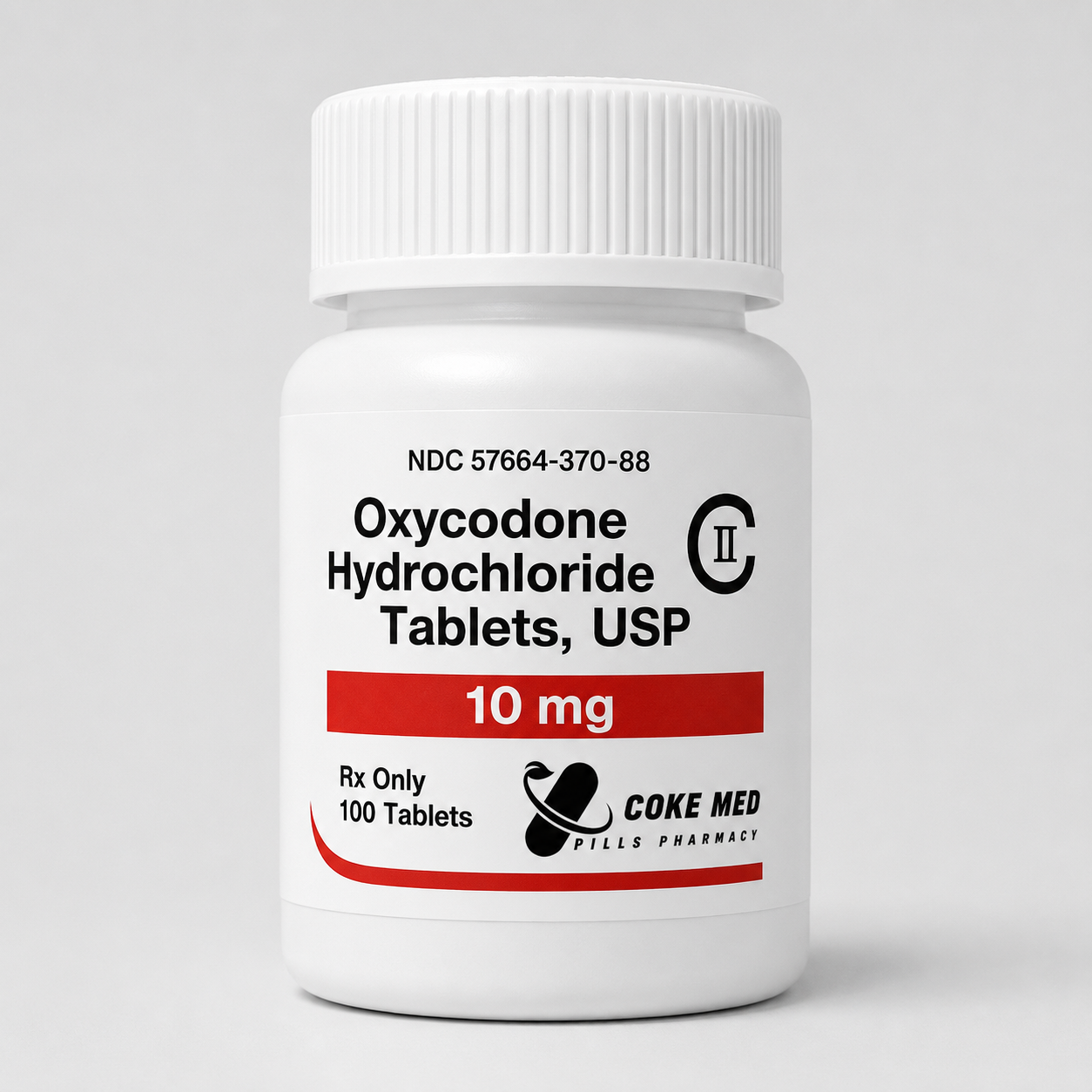
Buy Oxycodone 10mg Tab Online
Buy Oxycodone 10mg Tab Online is a prescription opioid analgesic that healthcare professionals use to treat moderate to severe pain when other pain management options do not provide adequate relief. It works by changing the way the brain and nervous system respond to pain signals. Doctors may prescribe oxycodone after surgery, following serious injuries, or for certain chronic pain conditions when clinically appropriate.
Because oxycodone carries a high risk of misuse, dependence, overdose, and respiratory depression, patients should take it only under the supervision of a qualified healthcare professional.
What Is Oxycodone 10 mg?
Oxycodone 10 mg is a prescription-strength opioid pain medication available in immediate-release and extended-release formulations. Healthcare providers determine the appropriate formulation and dosage based on the patient’s medical condition, pain severity, treatment history, and overall health.
Treatment plans often include non-opioid pain management strategies alongside medication whenever appropriate.
How Oxycodone Works
Oxycodone binds to opioid receptors in the brain, spinal cord, and other parts of the nervous system. This action reduces the perception of pain and changes the emotional response to painful stimuli. While it can provide significant pain relief for eligible patients, it may also cause sedation and slow breathing.
Approved Medical Uses
Healthcare professionals may prescribe oxycodone for:
- Moderate to severe acute pain
- Pain following surgery
- Pain caused by traumatic injuries
- Cancer-related pain
- Selected chronic pain conditions when benefits outweigh risks
Doctors evaluate each patient’s situation carefully before prescribing opioid medication.
Potential Benefits
When prescribed appropriately, oxycodone may help:
- Reduce severe pain
- Improve comfort during recovery
- Support participation in rehabilitation
- Enhance quality of life for some patients with persistent pain
Treatment outcomes vary depending on the underlying condition and individual response.
Proper Use
Patients should:
- Take oxycodone exactly as prescribed.
- Follow the recommended dosing schedule.
- Never increase the dose without medical advice.
- Store the medication in a secure location.
- Attend regular follow-up appointments.
Patients should never share prescription opioid medication with anyone else.
Possible Side Effects
Like all opioid medications, oxycodone may cause side effects.
Common side effects include:
- Drowsiness
- Dizziness
- Nausea
- Vomiting
- Constipation
- Dry mouth
- Sweating
Patients should seek immediate medical attention for severe allergic reactions, difficulty breathing, extreme drowsiness, confusion, or loss of consciousness.
Important Safety Information
Before taking oxycodone, patients should discuss their medical history with their healthcare provider.
Important precautions include:
- Inform your healthcare provider about all prescription medications, supplements, and herbal products.
- Avoid alcohol because it may increase dangerous side effects.
- Discuss any history of breathing disorders, liver disease, kidney disease, seizures, or substance use disorder.
- Avoid driving or operating heavy machinery until you understand how the medication affects you.
Drug Interactions
Oxycodone may interact with:
- Benzodiazepines
- Other opioid medications
- Sleeping medications
- Muscle relaxants
- Certain antidepressants
- Alcohol
These combinations can significantly increase the risk of respiratory depression and overdose.
Dependence and Withdrawal
Long-term opioid therapy may lead to physical dependence. Patients should not stop oxycodone suddenly without medical guidance because withdrawal symptoms may occur. Healthcare providers usually recommend gradual dose reduction when treatment ends.
Frequently Asked Questions
What conditions does oxycodone treat?
Healthcare professionals prescribe oxycodone for moderate to severe pain when clinically appropriate.
Is oxycodone addictive?
Oxycodone carries a significant risk of misuse, dependence, and opioid use disorder. Careful prescribing and regular medical monitoring help reduce these risks.
Can oxycodone cause drowsiness?
Yes. Drowsiness is one of the most common side effects, especially when treatment begins or the dose changes.
Can patients stop oxycodone immediately?
Patients should consult their healthcare provider before stopping oxycodone because abrupt discontinuation may cause withdrawal symptoms.
Lifestyle Considerations
Pain management often works best through a comprehensive approach. Regular medical reviews, physical therapy, appropriate exercise, balanced nutrition, healthy sleep habits, and psychological support where needed can improve long-term outcomes alongside medication.
Conclusion
Oxycodone 10 mg is an established prescription opioid medication for treating moderate to severe pain in carefully selected patients. When used under close medical supervision, it can provide effective pain relief and improve daily functioning. Because oxycodone carries important risks, including dependence, overdose, respiratory depression, and significant drug interactions, patients should follow their healthcare provider’s instructions carefully and attend regular follow-up appointments throughout treatment.
Contact Us
| Quantity | 50 Tabs, 100 Tabs |
|---|
1 review for Buy Oxycodone 10mg Tab Online
Add a review
Related products
Pills-Meds
Pills-Meds
Pills-Meds

Pills-Meds
Pills-Meds

Pills-Meds
Pills-Meds

Pills-Meds
Bofib –
This store has earned my trust with its consistent quality and support.