
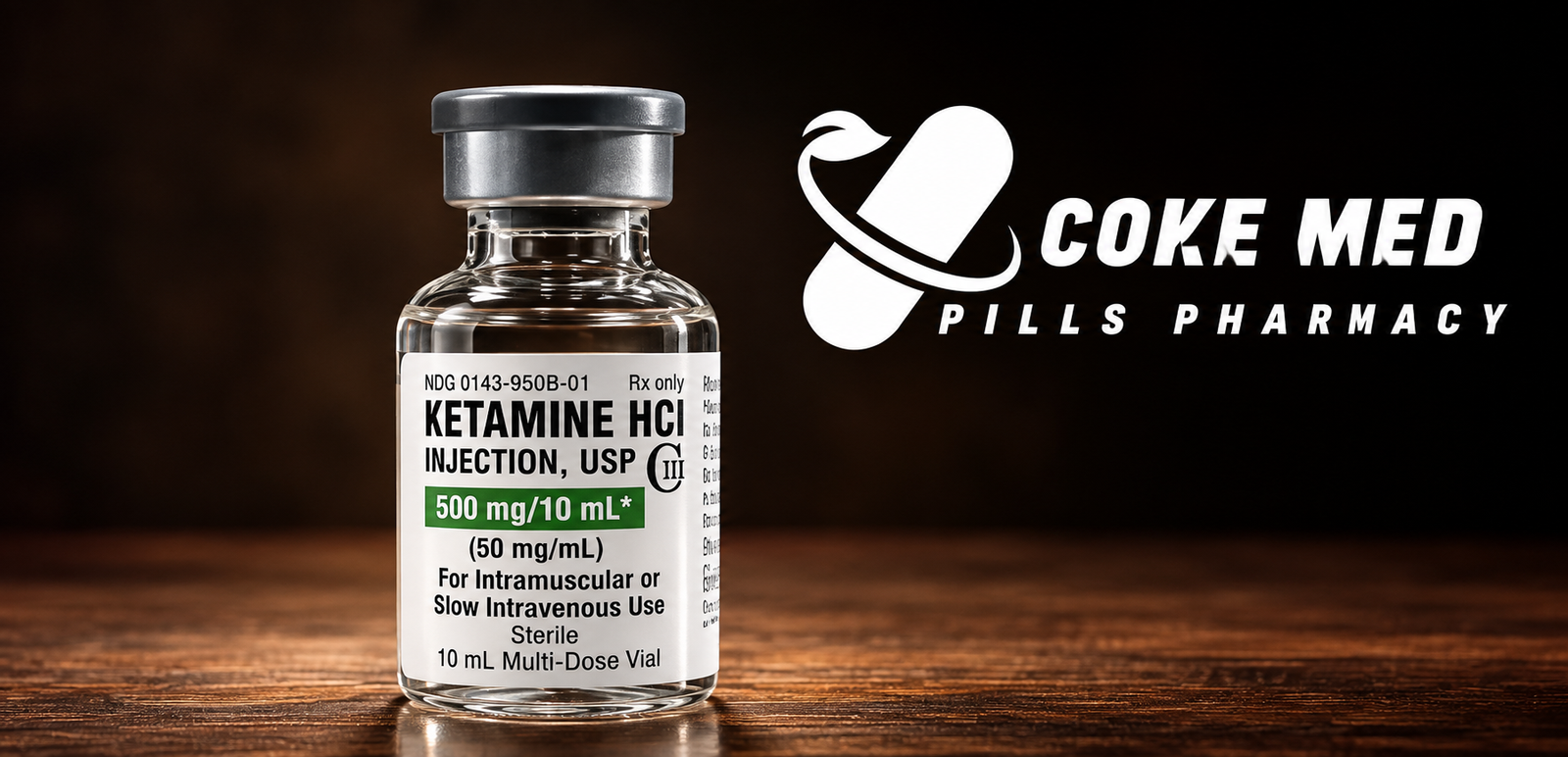

Buy Liquid Ketamine-HCL 10ml Online
Buy Liquid Ketamine-HCL 10ml Online is a prescription medication that healthcare professionals have used for decades as an anaesthetic and pain management medicine. In recent years, researchers have also studied ketamine for treatment-resistant depression and certain other mental health conditions when administered under strict medical supervision. Because ketamine has psychoactive effects and carries risks of misuse and adverse reactions, qualified healthcare professionals should oversee its use.
This guide explains what ketamine is, how it works, its approved medical uses, potential benefits, side effects, and important safety considerations.
What Is Ketamine?
Ketamine belongs to a class of medications known as dissociative anaesthetics. Healthcare providers commonly use it during surgical procedures, emergency medicine, and some pain management settings. Certain specialised clinics also administer ketamine under carefully controlled protocols for selected psychiatric conditions where permitted.
Healthcare professionals determine the appropriate dose, route of administration, and monitoring requirements for each patient.
How Ketamine Works
Ketamine primarily blocks N-methyl-D-aspartate (NMDA) receptors in the brain. This action alters pain perception, produces anaesthesia, and affects several neurotransmitter systems involved in mood and cognition. Researchers continue to investigate its complex mechanisms and therapeutic potential.
Approved Medical Uses
Healthcare professionals may use ketamine for:
- General anesthesia
- Procedural sedation
- Emergency anesthesia
- Pain management in selected patients
- Treatment-resistant depression in specialised clinical settings, depending on local regulations and approved therapies
Medical decisions depend on the patient’s diagnosis, health status, and treatment goals.
Potential Benefits
When administered appropriately, ketamine may help:
- Provide anaesthesia during surgery
- Relieve severe pain in specific situations
- Support emergency medical procedures
- Improve symptoms in carefully selected patients with treatment-resistant depression under specialist care
Treatment outcomes vary according to the medical condition and the patient’s response.
Administration
Healthcare professionals administer ketamine in hospitals, surgical centres, emergency departments, and specialised treatment facilities. Medical staff monitor patients throughout treatment to assess vital signs, sedation level, and recovery.
Patients should never attempt to self-administer prescription ketamine without medical supervision.
Possible Side Effects
Like all medications, ketamine may cause side effects.
Common side effects include:
- Dizziness
- Drowsiness
- Nausea
- Vomiting
- Blurred vision
- Increased blood pressure
- Increased heart rate
- Temporary confusion during recovery
Patients should seek immediate medical attention if they experience severe allergic reactions, difficulty breathing, or prolonged confusion after treatment.
Important Safety Information
Before receiving ketamine, patients should discuss their medical history with their healthcare provider.
Important precautions include:
- Inform your healthcare provider about all prescription medications and supplements.
- Discuss any history of heart disease, uncontrolled high blood pressure, liver disease, or psychiatric conditions.
- Follow post-treatment instructions regarding driving and operating machinery.
- Attend recommended follow-up appointments.
Drug Interactions
Ketamine may interact with:
- Alcohol
- Opioid medications
- Benzodiazepines
- Sleeping medications
- Other central nervous system depressants
Healthcare providers evaluate potential interactions before treatment.
Current Research
Researchers continue to investigate ketamine and related medicines for several medical conditions, including depression, chronic pain, and post-traumatic stress disorder. Clinical studies occur under strict ethical standards and medical supervision to evaluate safety and effectiveness.
Frequently Asked Questions
What does ketamine treat?
Healthcare professionals primarily use ketamine for anaesthesia, procedural sedation, pain management, and selected psychiatric conditions in specialised clinical settings.
Is ketamine an opioid?
No. Ketamine is a dissociative anaesthetic and does not belong to the opioid class.
Can ketamine cause temporary psychological effects?
Yes. Some patients experience dissociation, altered perception, or temporary confusion during or shortly after treatment.
Can ketamine interact with other medications?
Yes. Ketamine may interact with alcohol, sedatives, opioids, and other medicines that affect the central nervous system.
Lifestyle Considerations
Patients receiving ketamine should follow all instructions from their healthcare team before and after treatment. Adequate rest, transportation home when required, adherence to follow-up care, and open communication with healthcare professionals support safe treatment and recovery.
Conclusion
Ketamine is an established medical treatment with important applications in anaesthesia, emergency medicine, pain management, and selected psychiatric conditions. When administered by qualified healthcare professionals in appropriate clinical settings, it can provide significant therapeutic benefits. Because ketamine carries important risks, including psychological effects, drug interactions, and potential misuse, patients should receive it only under professional medical supervision.
Contact Us
| Quantity | 5, 10, 25 |
|---|
2 reviews for Buy Liquid Ketamine-HCL 10ml Online
Add a review
Related products
Pills-Meds
Pills-Meds
Pills-Meds
Pills-Meds
Pills-Meds
Pills-Meds
Pills-Meds
Pills-Meds
Rafig –
Fantastic customer care and a very easy shopping experience. Highly recommended!
Talem –
My package arrived safely and was packed with great care. I’m very satisfied with my purchase.