

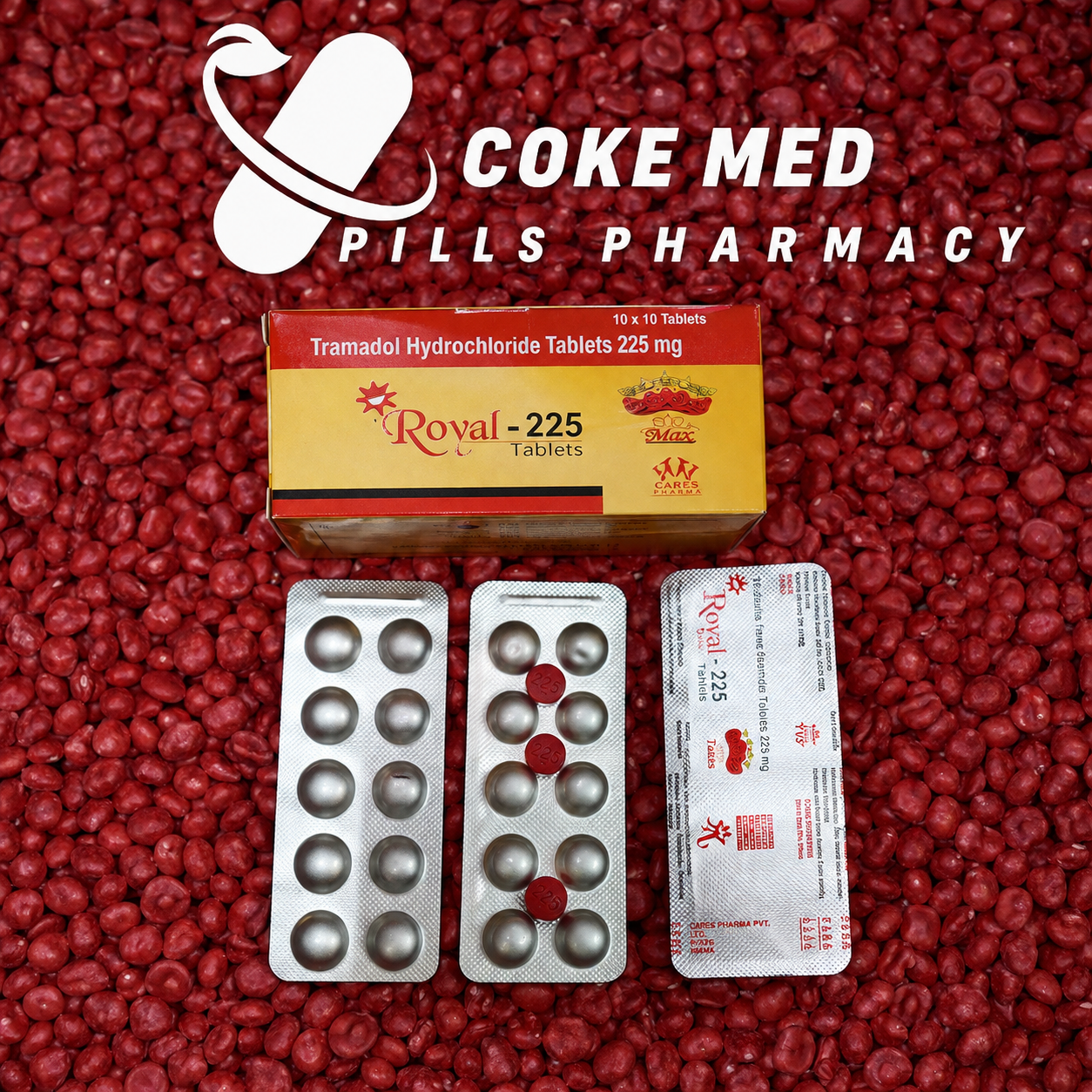


Buy Tram Royal 225MG Tab Online
Buy Tram Royal 225MG Tab Online is a prescription pain medication that healthcare professionals use to manage moderate to moderately severe pain when other treatment options do not provide adequate relief. It belongs to the opioid analgesic class and affects how the brain and nervous system process pain signals. Because tramadol carries risks such as dependence, misuse, overdose, and withdrawal, patients should take it only under the supervision of a qualified healthcare provider.
This guide explains how tramadol works, its approved medical uses, potential benefits, possible side effects, and important safety precautions.
What Is Tramadol?
Tramadol is a centrally acting opioid analgesic available in immediate-release and extended-release formulations. Doctors prescribe the medication after evaluating a patient’s medical history, pain severity, and overall health.
Treatment plans often include physical therapy, exercise, and other non-opioid pain management strategies alongside medication when appropriate.
How Tramadol Works
Tramadol changes the way the brain responds to pain. It also influences the activity of serotonin and norepinephrine, neurotransmitters involved in pain signalling. Together, these actions help reduce pain perception in some patients.
Approved Medical Uses
Healthcare professionals may prescribe tramadol for:
- Moderate acute pain
- Moderate to moderately severe chronic pain
- Pain after surgery or injury in selected patients
Doctors determine whether tramadol is appropriate based on each patient’s condition and treatment goals.
Potential Benefits
When prescribed appropriately, tramadol may help:
- Reduce pain intensity
- Improve physical function
- Increase comfort during recovery
- Support participation in rehabilitation
Treatment outcomes vary from person to person.
Proper Use
Patients should:
- Take tramadol exactly as prescribed.
- Follow the recommended dosing schedule.
- Never increase the dose without medical advice.
- Attend regular follow-up appointments.
- Store the medication securely and out of reach of children.
Patients should not share prescription medication with anyone else.
Possible Side Effects
Like all medications, tramadol may cause side effects.
Common side effects include:
- Nausea
- Dizziness
- Drowsiness
- Constipation
- Headache
- Dry mouth
- Sweating
Seek urgent medical attention for severe allergic reactions, breathing difficulties, seizures, confusion, or signs of overdose.
Important Safety Information
Before starting tramadol, patients should discuss their complete medical history with their healthcare provider.
Important precautions include:
- Avoid alcohol while taking tramadol.
- Inform your healthcare provider about all prescription medications, supplements, and herbal products.
- Use caution when driving or operating machinery until you understand how the medication affects you.
- Discuss any history of seizures, liver disease, kidney disease, breathing disorders, or substance use disorder.
Drug Interactions
Tramadol may interact with:
- Other opioid medications
- Benzodiazepines
- Certain antidepressants
- Sleeping medications
- Muscle relaxants
- Medicines that increase serotonin levels
Some interactions may increase the risk of respiratory depression, seizures, or serotonin syndrome.
Dependence and Withdrawal
Long-term tramadol use can lead to physical dependence. Patients should not stop treatment suddenly without medical guidance because withdrawal symptoms may occur. Healthcare providers can recommend a gradual dose reduction when appropriate.
Frequently Asked Questions
What does tramadol treat?
Healthcare professionals prescribe tramadol to manage moderate to moderately severe pain in appropriate patients.
Is tramadol an opioid?
Yes. Tramadol is an opioid analgesic, although it also affects serotonin and norepinephrine pathways.
Can tramadol cause drowsiness?
Yes. Drowsiness and dizziness are common side effects, especially when treatment begins.
Can patients stop tramadol immediately?
Patients should consult their healthcare provider before stopping tramadol because abrupt discontinuation may cause withdrawal symptoms.
Lifestyle Considerations
Effective pain management often combines medication with healthy lifestyle habits. Regular physical activity within medical guidance, adequate sleep, balanced nutrition, stress management, and physical therapy may improve overall outcomes for many patients.
Conclusion
Tramadol remains an important prescription option for managing certain types of pain when healthcare professionals determine that its benefits outweigh its risks. Safe use requires careful medical supervision, adherence to prescribed dosing, awareness of potential side effects and drug interactions, and regular follow-up with a healthcare provider. Patients should always discuss pain management options with a qualified medical professional to develop an individualised treatment plan.
Contact Us
Email: lilulplug@gmail.com
Visit Our Website: https://cokemedpillspharmacy.com/
| Quantity | 2 maps, 3 maps, 4 maps, 1 box |
|---|
Be the first to review “Buy Tram Royal 225MG Tab Online”
Related products

Pills-Meds
Pills-Meds

Pills-Meds
Pills-Meds
Pills-Meds
Pills-Meds

Pills-Meds

Pills-Meds
Reviews
There are no reviews yet.