

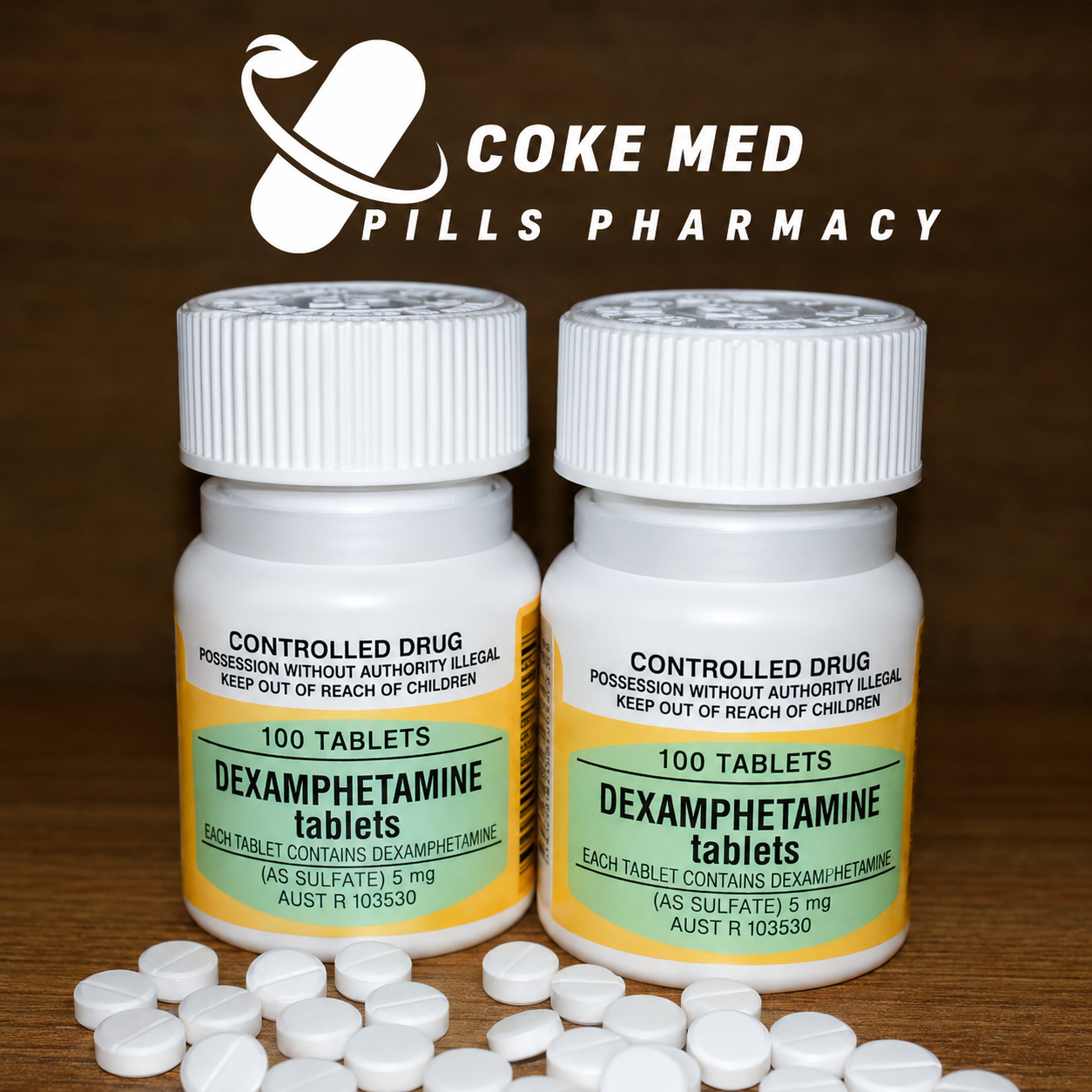

Buy Dexies 0.5mg Tab Online
Buy Dexies 0.5mg Tab Online, also called dexamphetamine, is a central nervous system stimulant. Healthcare professionals use approved dexamfetamine medicines to treat conditions such as attention-deficit/hyperactivity disorder (ADHD) and narcolepsy. The medicine increases activity involving dopamine and noradrenaline in parts of the brain that regulate attention and behaviour.
Because dexamfetamine can cause misuse, dependence, and serious adverse effects, patients should use it only under qualified medical supervision.
How Dexamfetamine Works
Dexamfetamine increases activity associated with dopamine and noradrenaline. These neurotransmitters influence attention, motivation, alertness, and behavioural control.
For appropriate patients with ADHD, treatment may improve attention and concentration while reducing impulsive behaviour. Healthcare professionals may also use dexamfetamine to promote wakefulness in people with narcolepsy.
Medical Uses of Dexamfetamine
Approved dexamfetamine products can have different indications depending on the country and product. Medical uses include:
- ADHD
- Narcolepsy
- Support for comprehensive ADHD treatment programs
Specialists determine whether stimulant treatment suits an individual patient after considering symptoms, medical history, cardiovascular health, and other medicines.
Potential Benefits
When prescribed appropriately, dexamfetamine may help eligible patients:
- Improve concentration
- Increase attention span
- Reduce impulsive behaviour
- Reduce hyperactivity associated with ADHD
- Improve daytime wakefulness in narcolepsy
- Support everyday functioning
Medication usually forms part of a broader treatment program. ADHD management can also involve psychological, educational, behavioural, and social interventions.
Using Dexamfetamine Safely
Patients should take dexamfetamine exactly as their specialist prescribes. They should never increase the dose, change the treatment schedule, or use another person’s prescription.
Patients should also:
- Attend regular medical reviews.
- Tell their doctor about other medicines and supplements.
- Report troublesome side effects.
- Store medication securely.
- Never share prescription medication.
Medical professionals may monitor weight, growth, blood pressure, heart rate, sleep, and behavioural changes during treatment.
Common Side Effects
Dexamfetamine can cause side effects. Frequently reported effects include:
- Reduced appetite
- Difficulty sleeping
- Nervousness
- Weight loss
- Headache
- Nausea
- Stomach discomfort
- Dry mouth
- Increased heart rate
- Changes in blood pressure
Patients should speak with their healthcare provider when side effects persist or interfere with normal activities.
Serious Health Risks
Stimulant medicines can cause serious complications in some people. Warning signs can include:
- Chest pain
- Abnormal or very rapid heartbeat
- Severe agitation
- Hallucinations
- Psychotic symptoms
- Seizures
- Severe allergic reactions
- Dangerous increases in body temperature
Anyone who develops severe symptoms should seek urgent medical attention. Official product information also warns about serious cardiovascular and psychiatric complications associated with stimulant misuse.
Dexamfetamine and Dependence
Dexamfetamine carries a potential for misuse, abuse, and dependence. Long-term misuse can produce tolerance and psychological dependence. Healthcare professionals therefore assess substance-use history and monitor patients during treatment.
Patients should never use dexamfetamine for purposes other than those recommended by their healthcare provider.
People who take dexamfetamine regularly should also consult their doctor before stopping treatment. Sudden discontinuation can cause symptoms such as extreme tiredness, depression, mood changes, sleep disturbances, and increased appetite. A healthcare professional can determine an appropriate discontinuation plan.
Cardiovascular Considerations
Dexamfetamine can increase heart rate and blood pressure. People with certain cardiovascular conditions may need additional assessment before starting stimulant treatment.
Healthcare professionals may check cardiovascular health before and during treatment. Patients should promptly report chest pain, fainting, unusual heartbeat, or unexplained shortness of breath.
Mental Health Considerations
Dexamfetamine can affect mood and behaviour. Some patients may experience anxiety, irritability, agitation, or mood changes.
Rarely, stimulant treatment can contribute to hallucinations, paranoia, or psychotic symptoms. Patients and caregivers should report significant behavioural or psychological changes to a healthcare professional promptly.
Dexamfetamine and Sleep
Because dexamfetamine stimulates the central nervous system, it can interfere with sleep. Difficulty sleeping ranks among the commonly reported adverse effects.
Patients should follow their prescriber’s instructions about timing and should not alter the schedule independently.
Dexamfetamine and Appetite
Reduced appetite represents one of the common effects of dexamfetamine. Long-term treatment can also affect weight and growth, particularly in children and adolescents. Healthcare professionals may monitor these factors during treatment.
Patients should report significant appetite changes or unexpected weight loss.
Drug Interactions
Dexamfetamine can interact with other medicines. Patients should provide their doctor or pharmacist with a complete list of prescription medicines, over-the-counter products, supplements, and other substances they use.
Particular caution applies to medicines such as monoamine oxidase inhibitors (MAOIs) and other stimulants. Official product information identifies important contraindications and interaction concerns.
Frequently Asked Questions
Is dexamfetamine a stimulant?
Yes. Dexamfetamine belongs to the central nervous system stimulant class.
What does dexamfetamine treat?
Approved products may treat ADHD and narcolepsy, depending on the product and local regulations.
Can dexamfetamine cause dependence?
Yes. Dexamfetamine carries a risk of misuse, abuse, tolerance, and dependence.
Can dexamfetamine affect sleep?
Yes. Difficulty sleeping represents a common side effect.
Should someone share dexamfetamine?
No. Prescription stimulant medication should remain with the person for whom a healthcare professional prescribed it.
Supporting ADHD Treatment
Medication represents only one part of comprehensive ADHD care. Patients may also benefit from structured routines, behavioural strategies, counselling, educational support, organisational techniques, exercise, healthy sleep habits, and ongoing professional support.
A qualified healthcare professional can create an individualised treatment plan based on symptoms, age, medical history, and treatment response.
Conclusion
Dexamfetamine is a prescription stimulant that healthcare professionals use for conditions such as ADHD and narcolepsy. By increasing activity involving dopamine and noradrenaline, it can improve attention, concentration, behaviour, and wakefulness in appropriate patients.
However, dexamfetamine also carries important risks, including appetite loss, insomnia, cardiovascular effects, psychiatric reactions, misuse, and dependence. Patients should use it only under appropriate medical supervision, follow their prescribed treatment plan, and seek professional advice about side effects or stopping treatment.
Contact Us
2 reviews for Buy Dexies 0.5mg Tab Online
Add a review
Related products

Uncategorized
Uncategorized

Uncategorized
Uncategorized
Uncategorized

Uncategorized

Uncategorized

Uncategorized
Lodol –
The products are top-notch and exactly as described. Very satisfied with my purchase.
Yesaga –
I appreciate how responsive the team was. They answered my questions almost immediately.