

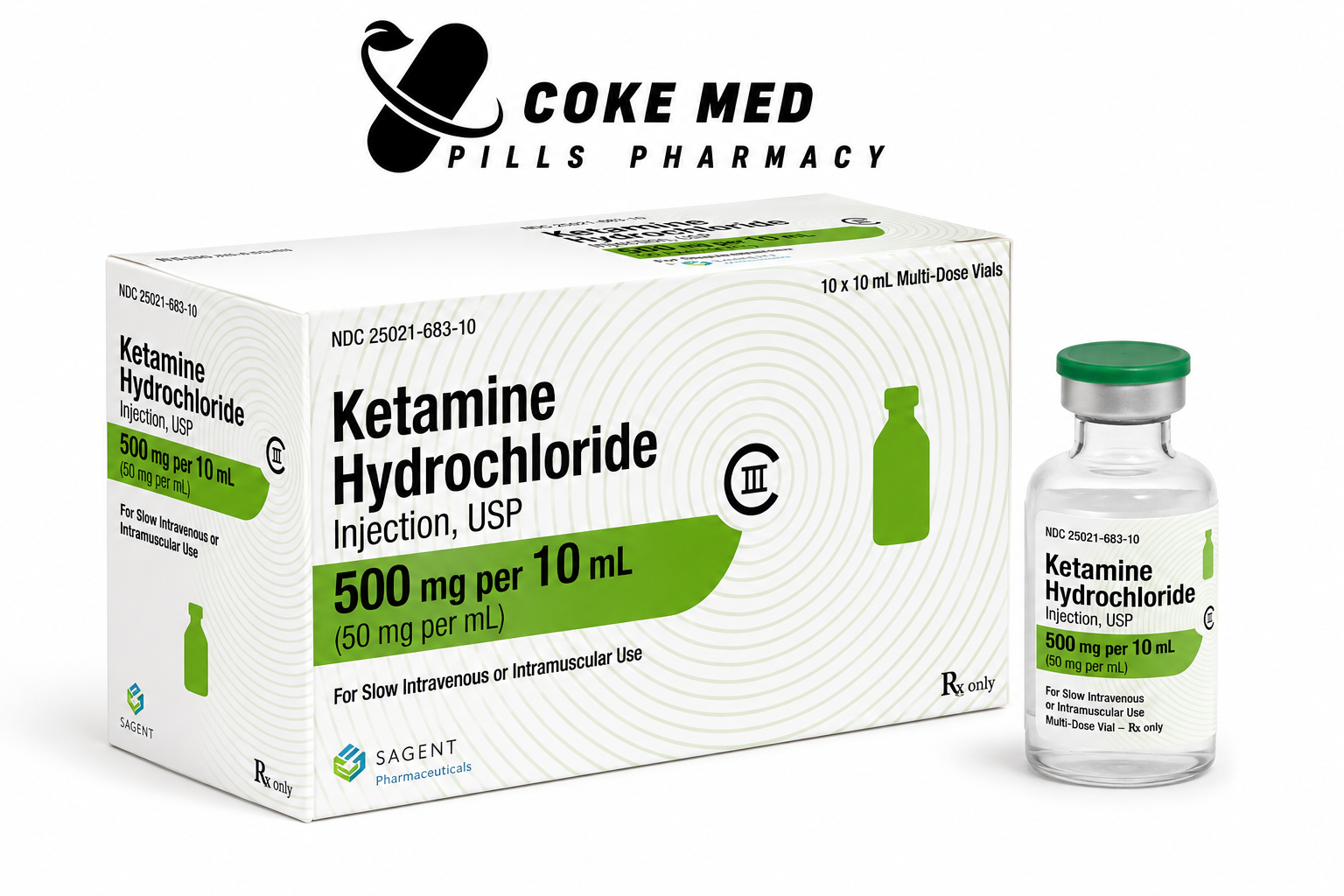


Buy Ketamine HCL 10ml Online
Buy Ketamine HCL 10ml Online hydrochloride (Ketamine HCL) is a prescription medication with important medical applications. Healthcare professionals use it primarily as an anaesthetic during surgical and diagnostic procedures. In recent years, researchers have also studied ketamine for treatment-resistant depression and certain chronic pain conditions under strict medical supervision.
This guide explains what Ketamine HCL is, how it works, its approved medical uses, potential benefits, possible side effects, and important safety considerations.
What Is Ketamine HCL?
Ketamine HCL belongs to a class of medications known as dissociative anaesthetics. It works by affecting specific receptors in the brain, particularly N-methyl-D-aspartate (NMDA) receptors. This action produces anaesthesia, pain relief, and sedation while preserving many protective airway reflexes.
Medical professionals administer ketamine in hospitals, surgical centres, emergency departments, and specialised clinics.
Approved Medical Uses
Healthcare providers use Ketamine HCL for several legitimate medical purposes, including:
- General anesthesia
- Procedural sedation
- Emergency medicine
- Pain management in selected cases
- Veterinary anesthesia
Specialised clinics may also administer ketamine under carefully monitored conditions for treatment-resistant depression when other therapies have not produced adequate results.
How Ketamine Works
Ketamine blocks NMDA receptors within the central nervous system. This mechanism changes how the brain processes pain signals and sensory information. During anaesthesia, patients experience reduced awareness, pain relief, and sedation.
Researchers continue to study ketamine’s effects on mood disorders and brain function.
Potential Benefits
When prescribed appropriately, Ketamine HCL may offer several benefits:
- Rapid onset of action
- Effective anesthesia
- Strong pain-relieving properties
- Maintenance of cardiovascular stability in many patients
- Potential improvement in treatment-resistant depression under specialist care
Every treatment plan depends on a patient’s medical condition and the healthcare provider’s evaluation.
Administration
Only trained healthcare professionals should administer ketamine. The medication may be given intravenously or intramuscularly depending on the procedure and clinical setting.
Patients receive continuous monitoring throughout treatment to ensure safety and respond promptly to any adverse reactions.
Possible Side Effects
Like all medications, Ketamine HCL can cause side effects. Common examples include:
- Dizziness
- Drowsiness
- Blurred vision
- Nausea
- Vomiting
- Increased blood pressure
- Increased heart rate
- Temporary confusion during recovery
Many side effects resolve as the medication wears off, but patients should discuss any concerns with their healthcare provider.
Safety Considerations
Ketamine requires careful medical supervision. Important precautions include:
- Use only under the direction of qualified healthcare professionals.
- Inform your healthcare provider about all medications and supplements.
- Share your complete medical history before treatment.
- Arrange transportation after outpatient treatment if sedation occurs.
- Follow all post-procedure instructions carefully.
Drug Interactions
Certain medications may interact with ketamine, including:
- Sedatives
- Opioids
- Alcohol
- Some antidepressants
- Certain blood pressure medications
Healthcare providers evaluate possible interactions before administering treatment.
Frequently Asked Questions
Is Ketamine HCL the same as recreational ketamine?
Medical ketamine consists of pharmaceutical-grade medication administered in controlled healthcare settings. Non-medical use carries significant health and legal risks.
Can ketamine treat depression?
Some patients with treatment-resistant depression may benefit from ketamine therapy under specialist supervision. Healthcare providers determine eligibility through careful evaluation.
Is ketamine addictive?
Ketamine carries a risk of misuse and dependence, particularly outside medical supervision. Patients should use it only as prescribed and administered by qualified professionals.
Who should avoid ketamine?
Healthcare providers may recommend alternative treatments for individuals with certain medical conditions or risk factors. A complete medical evaluation helps determine whether ketamine is appropriate.
Conclusion
Ketamine HCL plays an important role in modern medicine as an anaesthetic and, in selected cases, as a treatment for specific mental health and pain conditions. Qualified healthcare professionals administer it in controlled medical environments where they can monitor safety and effectiveness.
Anyone considering ketamine treatment should consult a licensed healthcare provider to discuss potential benefits, risks, and appropriate treatment options based on their individual medical needs.
Contact Us
Email: lilulplug@gmail.com
Visit Our Website: https://cokemedpillspharmacy.com/
1 review for Buy Ketamine HCL 10ml Online
Add a review
Related products

Uncategorized

Uncategorized
Uncategorized
Uncategorized
Uncategorized
Uncategorized

Uncategorized

Uncategorized
info@cokemedpillspharmacy.com –
My order arrived as expected. The product quality was very good, and I was satisfied with my purchase.