Uncategorized
Amfetamin Powder: Uses Risks and Safety Facts
Aug
Amfetamin Powder: Uses Risks and Safety Facts
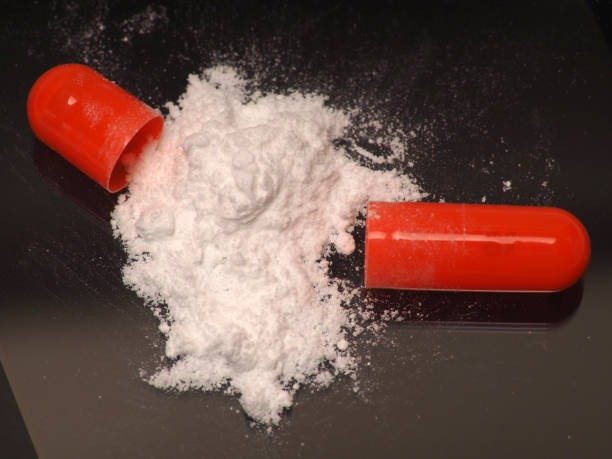
Amfetamin Powder: Uses Risks and Safety Facts. Amfetamin powder refers to a powdered form of amphetamine, a powerful central nervous system stimulant. The substance can affect brain chemicals involved in alertness, attention, energy, and reward. Amphetamine has legitimate medical applications in some countries when specific formulations are prescribed for conditions such as attention-deficit/hyperactivity disorder (ADHD) and certain sleep disorders. However, non-prescription or illicit powder can create significant health and legal concerns.
Understanding what amfetamin powder is, how it affects the body, and why uncontrolled use carries risks can help people make safer and more informed decisions.
What Is Amfetamin Powder?
Amfetamin is a stimulant that influences neurotransmitters such as dopamine and norepinephrine. These chemical messengers play important roles in attention, motivation, wakefulness, heart rate, and mood.
The term “amfetamin powder” generally describes amphetamine in a powdered physical form rather than a specific approved medicine. The appearance, concentration, purity, and chemical composition of illicit powders can vary considerably. This uncertainty makes non-prescription products particularly dangerous because a person cannot reliably determine the actual strength or contents simply by looking at the powder.
Prescription amphetamine medicines use controlled formulations and medical supervision. Illicit powders do not provide the same level of quality control.

How Does Amphetamine Affect the Body?
Amphetamine increases stimulant activity in the central nervous system. Its effects can include increased alertness, energy, concentration, and wakefulness. Some people may also experience reduced appetite.
The same stimulant effects can place additional stress on the cardiovascular and nervous systems. Heart rate and blood pressure can rise, while excessive stimulation can contribute to anxiety, agitation, insomnia, tremors, or changes in behavior.
The intensity of effects depends on several factors, including the substance’s actual composition, individual health, other medications or substances, and the amount taken. With illicit powder, unknown potency creates an additional risk.
Medical Uses of Amphetamine
Certain amphetamine-based medicines have legitimate clinical uses. Healthcare professionals may prescribe approved formulations for ADHD or other specific conditions depending on local medical guidelines.
Medical treatment involves selecting an appropriate formulation and monitoring the patient’s response. A clinician can also consider existing health conditions, potential drug interactions, and side effects.
This distinction matters because pharmaceutical amphetamine and an unknown powder sold outside regulated medical channels are not equivalent. A prescription medicine comes with established manufacturing standards, labeling, dosage information, and professional oversight.
Common Risks and Side Effects
Stimulant medicines can produce side effects even when used under medical supervision. Potential effects include:
- Increased heart rate
- Higher blood pressure
- Difficulty sleeping
- Reduced appetite
- Headache
- Dry mouth
- Nervousness or anxiety
- Restlessness
- Tremors
- Mood changes
Stronger or uncontrolled exposure can produce more serious effects. Severe agitation, confusion, hallucinations, chest pain, seizures, or significant cardiovascular symptoms require urgent medical attention.
People with certain cardiovascular, psychiatric, or other medical conditions may face additional risks. A healthcare professional can determine whether a prescribed stimulant is appropriate.
Why Illicit Powder Creates Additional Concerns
One of the biggest concerns surrounding amfetamin powder from unregulated sources is uncertainty. A powder may contain a different concentration or additional substances, making its effects unpredictable.
There is also a risk of contamination or misidentification. Packaging and product descriptions do not guarantee chemical identity or purity. This makes purchasing or consuming unknown powders especially hazardous.
For this reason, people should not rely on online claims that describe an unregulated stimulant as safe, pure, or suitable for personal use.
Dependence and Misuse
Amphetamine has the potential for misuse and dependence. Repeated non-medical use can lead to psychological and physical problems, while some people may develop tolerance and seek stronger effects.
Signs that stimulant use may be becoming problematic can include persistent cravings, difficulty controlling use, neglect of responsibilities, sleep disruption, mood changes, and continued use despite negative consequences.
Professional support can help people address problematic stimulant use. A doctor, addiction specialist, or qualified healthcare provider can discuss appropriate treatment and support options without judgment.
Interactions With Other Substances
Combining stimulants with other substances can increase health risks. Certain medications and recreational substances can affect heart rate, blood pressure, body temperature, or neurotransmitter activity.
People who receive a prescription stimulant should tell their healthcare provider about all medicines, supplements, and substances they use. This information helps the clinician identify potential interactions and determine appropriate treatment.
Self-medicating with an unknown powder is particularly risky because its composition may not be reliable.
Safe and Responsible Information Matters
Anyone considering amphetamine for attention, energy, weight management, or another purpose should speak with a qualified healthcare professional rather than obtaining an unregulated powder.
Reliable information about prescription medicines should come from healthcare professionals, official prescribing information, and established medical resources. For general pharmaceutical information, readers can also explore resources such as Coke Med Pills Pharmacy, while remembering that online information does not replace medical advice.
It is important to verify the legitimacy of any online pharmacy and avoid websites that offer controlled substances without appropriate prescription requirements or professional oversight.
What Should You Do if Problems Occur?
Severe symptoms after taking a stimulant require prompt medical evaluation. Warning signs include chest pain, severe shortness of breath, fainting, seizures, extreme confusion, severe agitation, or loss of consciousness.
Do not attempt to manage serious symptoms by taking another substance. Seek emergency medical care and provide healthcare professionals with as much information as possible about what was taken.
Final Thoughts
Amfetamin powder describes a powdered form of a potent stimulant, but the term does not guarantee a particular purity, strength, or composition. Prescription amphetamine can have legitimate medical applications under professional supervision, while uncontrolled or illicit powder carries substantial risks.
Understanding the difference between regulated medicine and unknown stimulant products is essential. Anyone seeking treatment involving amphetamine should consult a qualified healthcare professional, follow prescribed directions, and avoid experimenting with unregulated powders. Responsible information and professional guidance provide a much safer approach than relying on uncertain online products or informal recommendations.
