Blog
Amphetamine Powder: Effects Risks and Safety Facts
Aug
Amphetamine Powder: Effects Risks and Safety Facts
Amphetamine Powder: Effects Risks and Safety Facts. Amphetamine powder is a stimulant substance that affects the central nervous system and can produce significant changes in alertness, energy, concentration, heart rate, and mood. Amphetamine compounds have legitimate medical applications in some countries when prescribed and monitored by a qualified healthcare professional. At the same time, non-prescribed or illicit amphetamine powder can carry serious health and legal risks.
Understanding how amphetamine works, why it produces stimulant effects, and what risks are associated with misuse can help people make safer and more informed decisions.
What Is Amphetamine Powder?
Amphetamine is a synthetic stimulant that influences several chemical messengers in the brain, particularly dopamine and norepinephrine. These neurotransmitters play important roles in attention, motivation, alertness, and the body’s response to stimulation.
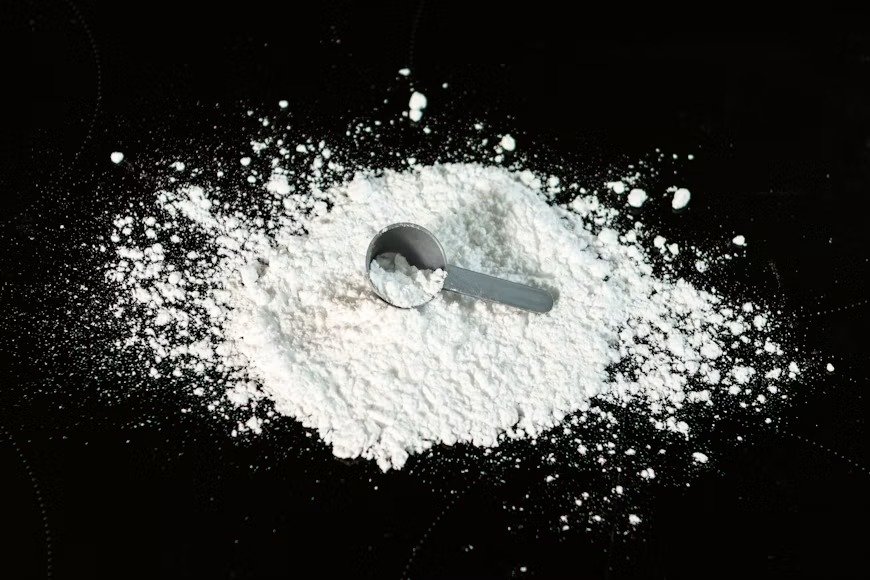
The term “amphetamine powder” can describe a physical form of an amphetamine compound, but appearance alone cannot establish its identity, purity, strength, or safety. Illicit powders can contain unexpected substances or different concentrations, creating additional risks.
For this reason, unknown or non-prescribed stimulant powders should not be assumed to have a predictable composition.

How Does Amphetamine Affect the Body?
Amphetamine increases activity within certain pathways of the central nervous system. Depending on the substance, dose, individual characteristics, and medical circumstances, stimulant effects can include increased wakefulness, energy, attention, and heart rate.
Some people may also experience reduced appetite or difficulty sleeping. Stronger stimulant effects can contribute to anxiety, agitation, irritability, rapid heartbeat, elevated blood pressure, or changes in perception.
The effects can vary considerably between individuals. Factors such as existing health conditions, other medications, sleep patterns, and simultaneous use of other substances can influence the response.
Medical Uses of Amphetamine
Certain amphetamine-based medicines have approved medical uses under appropriate professional supervision. Depending on the specific medicine and local regulations, amphetamine-related treatments can form part of care for conditions such as attention-deficit/hyperactivity disorder.
Medical treatment involves a specific formulation, controlled dosage, professional assessment, and ongoing monitoring. This is very different from using an unidentified powder or taking a stimulant without medical guidance.
Anyone considering treatment for attention, concentration, or other symptoms should discuss appropriate options with a qualified healthcare professional rather than attempting to self-medicate.
Potential Side Effects
Prescription stimulant medicines can cause side effects, particularly when the dosage or formulation is unsuitable for an individual. Possible effects include:
- Increased heart rate
- Higher blood pressure
- Reduced appetite
- Difficulty sleeping
- Dry mouth
- Headache
- Restlessness
- Anxiety or irritability
- Stomach discomfort
More serious reactions require prompt medical attention. Severe chest pain, fainting, significant breathing difficulty, seizures, extreme agitation, or severe confusion can indicate a medical emergency.
Risks of Non-Prescribed Amphetamine Powder
Using amphetamine outside a medical setting introduces additional uncertainty. The actual substance, concentration, and contaminants may be unknown. Repeated stimulant exposure can also contribute to tolerance, psychological dependence, and problematic use.
High or frequent exposure can place considerable stress on the cardiovascular and nervous systems. Potential complications include dangerously elevated blood pressure, abnormal heart rhythms, severe overheating, seizures, and serious psychiatric symptoms.
The risk can become greater when stimulants are combined with other substances. Mixing drugs can produce unpredictable interactions and make it more difficult to recognize a developing medical emergency.
Amphetamine and Mental Health
Stimulants can influence mood and perception as well as physical energy. Some people experience nervousness, irritability, anxiety, or restlessness. Heavy or prolonged misuse can be associated with more severe psychological effects, including paranoia, hallucinations, or significant behavioral changes.
Anyone experiencing severe confusion, hallucinations, extreme agitation, or unusual behavior after taking a stimulant should receive urgent medical evaluation.
Dependence and Problematic Use
Amphetamine has dependence potential. Repeated non-medical use can lead some individuals to develop strong cravings or difficulty controlling consumption.
Warning signs of problematic stimulant use can include repeatedly using more than intended, spending significant time obtaining or recovering from the substance, neglecting responsibilities, experiencing cravings, or continuing use despite harmful consequences.
Professional support can help address problematic stimulant use. A healthcare professional can assess the situation and recommend appropriate treatment or support services.
Safer Medical Use
When an amphetamine-based medicine is prescribed, patients should follow the instructions provided by their healthcare professional. This includes taking the prescribed formulation and dosage and attending recommended follow-up appointments.
Patients should also inform their healthcare provider about other medicines, supplements, and substances they use. This information helps professionals identify potential interactions and determine whether a particular treatment is appropriate.
Prescription medicines should never be shared with another person, even when that person reports similar symptoms.
Why Product Quality Matters
A major concern with illicit amphetamine powder is uncertainty about composition. A powder that appears consistent may contain different active substances, unexpected contaminants, or a concentration that differs substantially from what someone expects.
This uncertainty makes recreational or non-prescribed use particularly hazardous. Online descriptions or product photographs cannot reliably establish chemical identity or purity.
For health information concerning stimulant medicines, it is preferable to rely on qualified healthcare professionals and reputable medical references rather than anonymous sellers or unverified online claims.
Final Thoughts
Amphetamine powder is associated with powerful stimulant effects, and its risks depend on the specific compound, formulation, amount, individual health factors, and whether it is used under medical supervision. Prescription amphetamine medicines can have legitimate therapeutic roles when appropriately prescribed and monitored, while unidentified or non-prescribed powders present substantial safety concerns.
Understanding the effects, side effects, dependence potential, and interaction risks is an important part of responsible health awareness. Anyone considering stimulant treatment should speak with a qualified healthcare professional about evidence-based options, appropriate monitoring, and safer alternatives.
