

Blog
Desloratadine Sandoz Tab: Uses and Allergy Relief
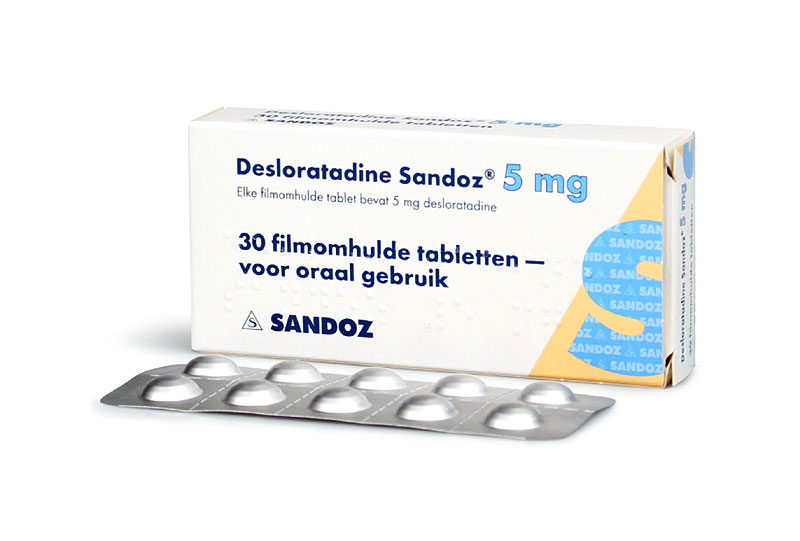
Desloratadine Sandoz Tab: Uses and Allergy Relief. Allergies can affect everyday comfort, concentration, sleep, and general well-being. Symptoms such as sneezing, a runny nose, itchy eyes, and nasal congestion can occur when the immune system reacts to substances such as pollen, dust, pet dander, or other allergens. Desloratadine Sandoz Tab contains desloratadine, an antihistamine used to help relieve several symptoms associated with allergic conditions.
Understanding how desloratadine works, what symptoms it addresses, and what precautions are important can help people make informed decisions about allergy management. This article provides general information about Desloratadine Sandoz Tab and its common uses.
What Is Desloratadine Sandoz Tab?
Desloratadine Sandoz Tab is a tablet formulation containing desloratadine. Desloratadine belongs to the antihistamine class of medicines. It works primarily by blocking the effects of histamine, a chemical involved in many allergic reactions.
When the body encounters an allergen, it can release histamine. Histamine may contribute to symptoms including sneezing, itching, watery eyes, and a runny nose. By blocking histamine activity, desloratadine can help reduce these symptoms.
The exact formulation and strength of Desloratadine Sandoz Tab depend on the specific product. Always check the medicine packaging and accompanying information for the active ingredient and strength.
Common Uses of Desloratadine
Desloratadine is commonly used for the relief of symptoms associated with allergic rhinitis. This condition can occur seasonally or throughout the year depending on the individual’s triggers.
Common allergy symptoms include:
- Sneezing
- Runny nose
- Itchy nose
- Itchy or watery eyes
- Throat or nasal irritation
- Other histamine-related allergy symptoms
Desloratadine is also used for the symptomatic treatment of chronic urticaria, commonly known as hives. Hives can cause raised, itchy areas on the skin that may appear in different locations.
Because allergy symptoms can have different causes, appropriate medical advice can help determine whether an antihistamine such as desloratadine is suitable.
How Desloratadine Works
Histamine plays an important role in many allergic reactions. When histamine attaches to H1 receptors, it can contribute to itching, sneezing, watery eyes, and other symptoms.
Desloratadine acts as an H1 antihistamine. By reducing histamine activity at these receptors, it helps control several symptoms associated with allergic reactions.
This mechanism makes desloratadine useful for people who experience recurring allergy symptoms. However, it does not remove the underlying allergen or cure the cause of an allergy. Avoiding known triggers and following appropriate medical advice remain important parts of allergy management.
Desloratadine and Seasonal Allergies
Seasonal allergies can occur when environmental allergens such as pollen trigger an immune response. Symptoms may become more noticeable during particular seasons or periods of increased pollen exposure.
People with seasonal allergic rhinitis may experience frequent sneezing, nasal discharge, itchy eyes, and nasal discomfort. An antihistamine containing desloratadine can help manage these symptoms when it is considered appropriate by a healthcare professional.
Environmental measures can also support symptom management. Keeping living areas clean, reducing exposure to known triggers, and following local pollen information can help some individuals reduce contact with allergens.
Desloratadine for Chronic Hives
Chronic urticaria involves recurring episodes of itchy, raised skin welts. The condition can have different triggers and sometimes occurs without an obvious external cause.
Because histamine contributes to many hives symptoms, antihistamines are commonly used as part of their management. Desloratadine may help reduce itching and other histamine-related symptoms associated with urticaria.
Persistent or severe hives require appropriate medical evaluation, particularly when symptoms occur alongside swelling of the lips, tongue, throat, or difficulty breathing.
Possible Side Effects
Like other medicines, desloratadine can cause side effects in some people. Commonly reported effects can include headache, dry mouth, and fatigue. Some people may also experience drowsiness, although desloratadine is generally considered a less-sedating antihistamine.
Individual responses vary. Anyone who develops unusual, severe, or persistent symptoms should seek medical advice.
A serious allergic reaction to a medicine requires urgent medical attention. Warning signs can include swelling of the face, lips, tongue, or throat, difficulty breathing, severe dizziness, or widespread symptoms.
Important Precautions
Before using Desloratadine Sandoz Tab, it is important to consider personal medical circumstances. A healthcare professional or pharmacist can help determine whether desloratadine is appropriate.
Extra care may be necessary for people with kidney problems, certain liver conditions, or a history of reactions to desloratadine or related medicines. Pregnancy and breastfeeding also require professional advice before starting medication.
People who take other medicines should provide their healthcare professional with an accurate list of their medicines and supplements. This helps identify potential interactions or other concerns.
Taking Desloratadine Responsibly
Desloratadine should be used according to the product information or instructions provided by a qualified healthcare professional. Do not take more than the recommended amount, and do not change the treatment plan without professional guidance.
If a dose is missed, follow the instructions provided with the specific product rather than taking additional medicine to compensate.
It is also important to distinguish between treating symptoms and identifying their underlying cause. Frequent or unexplained allergy symptoms may require an assessment to determine the appropriate long-term management approach.
Desloratadine Sandoz Tab: Key Points
Desloratadine Sandoz Tab contains an antihistamine that helps manage symptoms associated with allergic rhinitis and chronic urticaria. Its action involves blocking histamine at H1 receptors, which can reduce symptoms such as sneezing, itching, runny nose, and watery eyes.
For additional general information about medicines and health-related topics, readers can explore resources such as cokemedpillspharmacy.com. Medication information should always be considered alongside advice from a qualified healthcare professional.
Conclusion
Desloratadine Sandoz Tab provides an established antihistamine option for managing certain allergy-related symptoms and chronic hives. Its antihistamine action helps reduce the effects of histamine that contribute to itching, sneezing, watery eyes, and other allergic symptoms.
Responsible medicine use involves understanding the active ingredient, following approved product directions, considering potential side effects, and seeking professional advice when necessary. Anyone with persistent, severe, or unusual allergy symptoms should consult a healthcare professional for appropriate evaluation and treatment.
