

Blog
Diazepam Injection 10mg: Uses and Safety
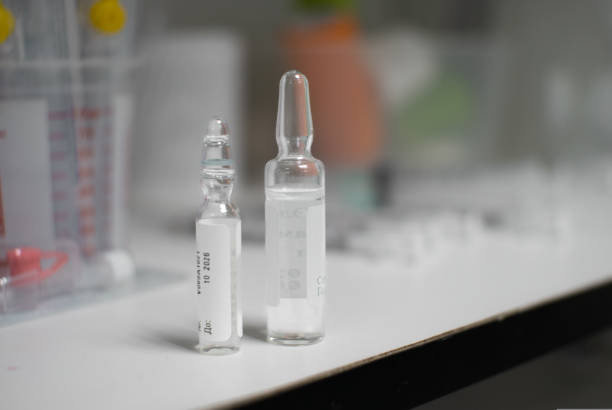
Diazepam Injection 10mg is a prescription medicine that belongs to a group of medicines called benzodiazepines. Healthcare professionals use diazepam for specific medical situations where rapid treatment or controlled administration is necessary. Diazepam works mainly by affecting certain chemical signals in the central nervous system, producing calming, muscle-relaxing, anticonvulsant, and sedative effects.
Because Diazepam Injection can cause significant sedation and breathing problems, its use requires appropriate medical supervision. It is not a medicine for self-treatment or unsupervised injection. Current prescribing information also identifies risks related to misuse, addiction, physical dependence, and withdrawal.
What Is Diazepam Injection 10mg?
Diazepam is a benzodiazepine medication. A 10mg injection refers to a formulation that contains diazepam for administration by a qualified healthcare professional. The exact concentration and volume can vary between products, so healthcare providers check the product labeling before administration.
The injectable form allows healthcare professionals to administer diazepam when an injectable route is medically appropriate. The decision depends on the patient’s condition, clinical needs, other medicines, age, and overall health.
Diazepam Injection is a controlled prescription medicine. This means appropriate prescribing, handling, storage, and administration are important parts of safe treatment.
Common Medical Uses
Healthcare professionals may use injectable diazepam for several specific indications. Depending on the formulation and clinical circumstances, diazepam injection can have a role in the management of certain seizure-related conditions, anxiety and tension associated with medical procedures, muscle spasms, and alcohol-withdrawal-related symptoms.
It can also be used in particular procedural settings where sedation or reduction of anxiety is medically appropriate.
The appropriate indication depends on the patient’s individual circumstances. A healthcare professional determines whether diazepam is suitable rather than using the medicine based only on the product name or strength.
How Diazepam Works
Diazepam enhances the activity of gamma-aminobutyric acid, commonly called GABA, in the central nervous system. GABA acts as an inhibitory neurotransmitter and helps reduce excessive nervous-system activity.
Through this mechanism, diazepam can produce several effects, including relaxation, sedation, reduced anxiety, and anticonvulsant activity. These effects explain why healthcare professionals use diazepam in selected medical situations.
The same effects also explain why diazepam requires careful monitoring. Excessive central nervous system depression can result in severe drowsiness, impaired coordination, and potentially dangerous breathing problems.
Diazepam Injection 10mg Safety
Safety is particularly important with injectable diazepam. The medicine can cause sedation and respiratory depression, especially when combined with other central nervous system depressants.
The official prescribing information carries a boxed warning concerning simultaneous use with opioids. Combining benzodiazepines such as diazepam with opioids can cause profound sedation, respiratory depression, coma, and death.
Alcohol and other substances that depress the central nervous system can also increase the sedative effects of diazepam. Patients should tell their healthcare professional about all prescription medicines, nonprescription medicines, supplements, alcohol use, and other substances before receiving treatment.
Dependence and Withdrawal
Diazepam belongs to a medicine class that can cause physical dependence. The risk can increase with higher doses and longer or more frequent use.
Stopping diazepam suddenly after regular use can cause withdrawal symptoms, and some withdrawal reactions can be serious or life-threatening. For this reason, patients should not change the dose or suddenly stop treatment without medical guidance.
Potential withdrawal symptoms can include anxiety, sleep problems, restlessness, muscle symptoms, and seizures. A healthcare professional can determine whether gradual dose reduction is appropriate when discontinuation becomes necessary.
Possible Side Effects
Diazepam can cause side effects that relate to its effects on the nervous system. Possible effects include drowsiness, dizziness, weakness, reduced coordination, and confusion.
More serious reactions can involve excessive sedation or respiratory depression. The risk can become greater when diazepam is combined with opioids or other substances that suppress the central nervous system.
Anyone who develops severe breathing difficulty, extreme sleepiness, loss of consciousness, or another serious reaction after receiving diazepam requires immediate medical attention.
Who Should Discuss Diazepam Carefully With a Doctor?
Before treatment, patients should provide their healthcare professional with a complete medical and medication history. Particular attention can be important for people with respiratory problems, liver or kidney concerns, glaucoma, a history of substance misuse, or other conditions that can affect the safety of benzodiazepines.
The official labeling also lists specific contraindications and precautions. Healthcare professionals consider these factors before selecting diazepam and determining an appropriate treatment plan.
Why Medical Supervision Matters
Diazepam Injection 10mg is not an ordinary over-the-counter medicine. Injectable medicines require appropriate preparation, administration technique, dosing decisions, and monitoring.
Using an injection without qualified medical supervision can create unnecessary risks, particularly because diazepam can affect breathing, alertness, coordination, and consciousness.
For reliable health information, patients should discuss their symptoms and treatment options with a licensed healthcare professional and use medicines only according to the applicable prescription and product instructions.
Final Thoughts
Diazepam Injection 10mg has specific medical applications and can provide important therapeutic effects when healthcare professionals select and administer it appropriately. At the same time, it carries important risks involving sedation, respiratory depression, misuse, addiction, dependence, and withdrawal.
Understanding these risks helps support safer treatment. Anyone considering diazepam should consult a qualified healthcare professional, provide complete information about current medicines and health conditions, and follow the prescribed treatment instructions carefully.
For general medication information, patients can also consult authoritative drug-label resources and discuss individual questions with their doctor or pharmacist. Diazepam should not be purchased, shared, injected, or used without appropriate medical direction.
